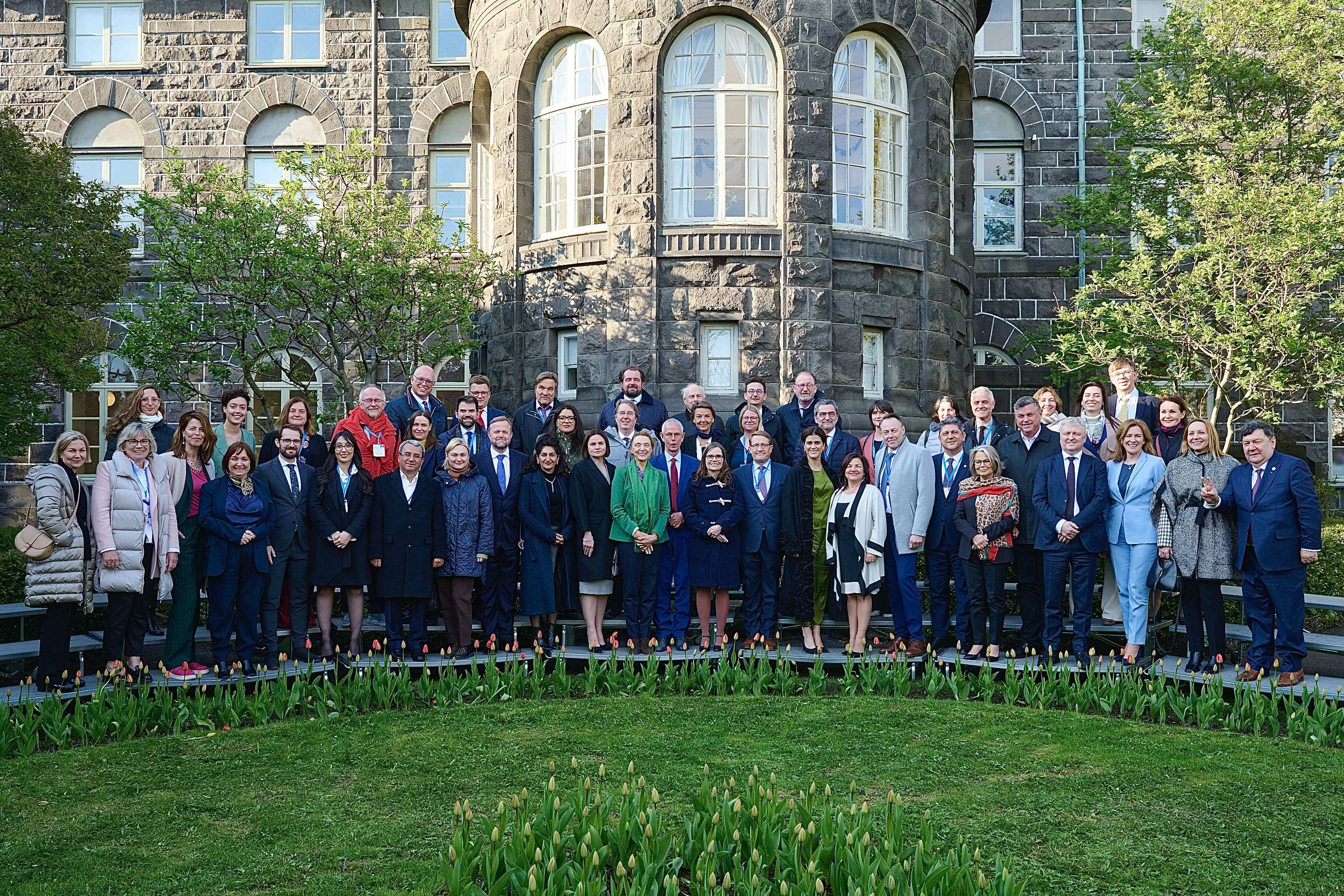
The Reykjavik summit
April 2025
- 24 April 2025 - 24 April 2026 Public policy to prevent and address cases of missing migrants: a collective will of ‘the 46’ is needed
-
Read more
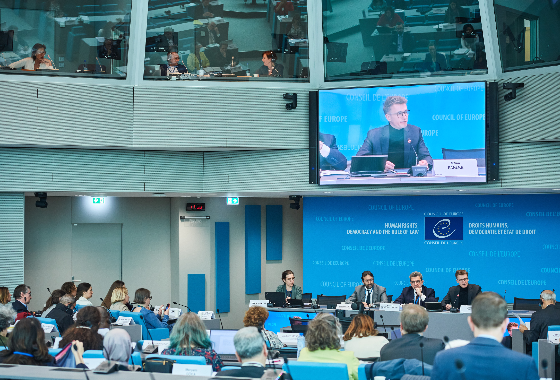
“A structured dialogue between the various stakeholders is urgently needed, be they state or non-state actors. This situation is too serious for Resolution 2569 to remain a document in a drawer,” said PACE Vice-President Antonio Gutiérrez-Limones (Spain, SOC), opening a parliamentary conference on “Envisioning effective public policy to prevent and address cases of missing migrants”, which took place in Strasbourg on 23 and 24 April 2025.
More than 100 participants gathered for the conference, which was a follow-up to PACE Resolution 2569 on “Missing migrants, refugees, and asylum seekers – a call to clarify their fate”. As the first PACE text to address the issue of disappearances in the context of migration, the resolution calls for concrete policy measures to prevent disappearances, respond effectively to cases which come to light, and clarify the fate of missing migrants.
March 2025
- 21 March 2025 - 13 March 2026 European parliamentary summit: 'Unity and solidarity are the strongest defense against intents to undermine democracy and peace'
-
Read more
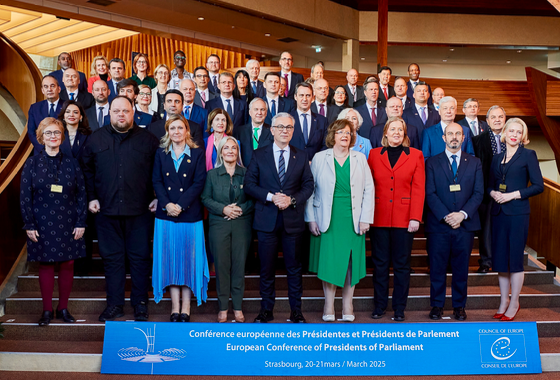
“Our unity and solidarity are the strongest defense against malign foreign and domestic forces intent on undermining democracy and peace”, today said the PACE President, Theodoros Rousopoulos, presenting the conclusions of the European Conference of Presidents of Parliament.
“The Conference looks forward to supporting the work of the Council of Europe on the new Democratic Pact, an initiative which follows through the political commitments expressed by the Heads of State and Government in Reykjavik, at the 4th Council of Europe Summit”, he added.Speakers and presidents of parliament from the 46 member states of the Council of Europe and many partner, observer and neighbouring countries, as well as the heads of several interparliamentary assemblies, gathered in Strasbourg on 20 and 21 March 2025 participated in the European Conference of Presidents of Parliament, which is held every two years under the auspices of the Strasbourg-based Parliamentary Assembly of the Council of Europe (PACE). This year marked the 50th anniversary of the first conference.
February 2025
- 11 February 2025 PACE and the Chamber of Deputies of Luxembourg hold a conference on “The role of national parliaments in protecting the right to a healthy environment”
-
Read more
The Parliamentary Assembly of the Council of Europe (PACE) and the Chamber of Deputies of the Grand Duchy of Luxembourg held a parliamentary conference in Luxembourg on “The role of national parliaments in protecting the right to a healthy environment”, as part of the follow-up to PACE Resolution 2545 (2024).
This conference aimed at stimulating debate on the adoption of legal and political measures for the protection of the right to a healthy environment, both at national and international level. It will present the Council of Europe's work in this matter, assess the impact of the climate and environmental case law of the European Court of Human Rights and the European Committee of Social Rights, discuss corporate social responsibility, and examine the extent of civil society and young people involvement in environmental decision-making processes.
It brought together parliamentarians and staff members from the Chamber of Deputies of the Grand Duchy of Luxembourg and the Belgian Federal Parliament, as well as members of PACE’s Network for a Healthy Environment, senior officials, experts, environmental activists, NGO representatives and young people.
January 2025
- 30 January 2025 PACE adopts a resolution on the “European commitment to a just and lasting peace in Ukraine”
-
Read more
PACE has adopted a Resolution where it has emphasised the importance of Europe's unity in supporting a "just and lasting" peace in Ukraine, stressing that peace negotiations must involve Ukraine and respect its sovereignty. The Assembly highlighted that the war’s outcome will significantly affect European and global security, and political, economic, and military support from member states is crucial. Any peace settlement must uphold international law, sovereignty, and territorial integrity, with provisions for reparations for Ukraine. PACE also called for finalising negotiations on a special tribunal for Russian and Belarusian leaders and using frozen Russian assets for compensation and reconstruction.
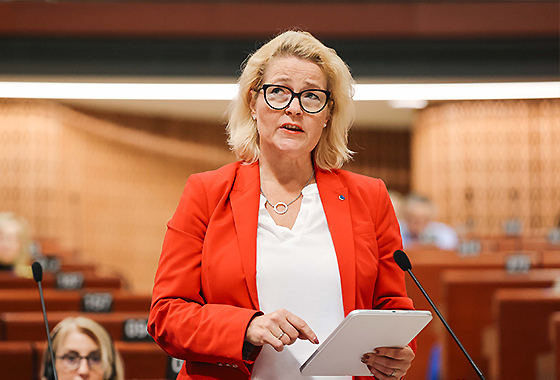
- 29 January 2025 PACE launched a Parliamentary Alliance for Free and Fair Elections
-
Read more
PACE has launched a Parliamentary Alliance for Free and Fair Elections, bringing together around 75 members and institutional representatives to protect electoral integrity across Europe. The initiative addresses threats like political instability, foreign interference, and vulnerabilities in digital voting systems. Chaired by Lord David Blencathra, the Alliance aims to modernise election monitoring, extend its focus beyond polling day, and offer comprehensive support during pre-election and post-election periods. Key priorities include broadening observation, enhancing digital voting expertise, and increasing collaboration with international partners to strengthen democratic processes.
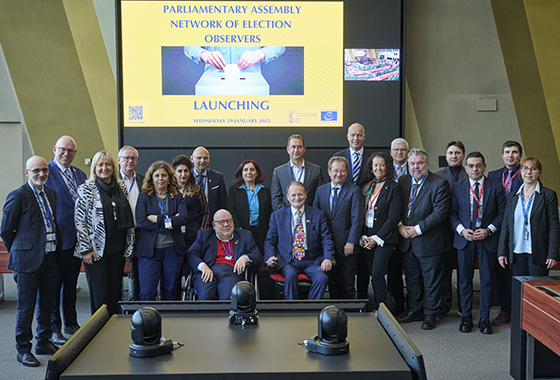
October 2024
- 24 October 2024 PACE president addresses the Summit of the International Crimea forum and highlights PACE’s proposals since April 2022, calling for “a comprehensive system of justice for the crimes committed by Russia in and against Ukraine”
-
Read more
At the 3rd Parliamentary Summit of the International Crimea Platform in Riga, PACE President Theodoros Rousopoulos emphasised the Assembly's proposals since April 2022 for a comprehensive justice system addressing Russia's crimes in Ukraine. He highlighted the importance of the International Register of Damage and called for the creation of an ad hoc tribunal for the crime of aggression. Rousopoulos urged the 42 countries and organisations involved to swiftly finalise the tribunal's legal framework. He concluded by asserting that unity with Ukraine will ensure the rule of law prevails over force.
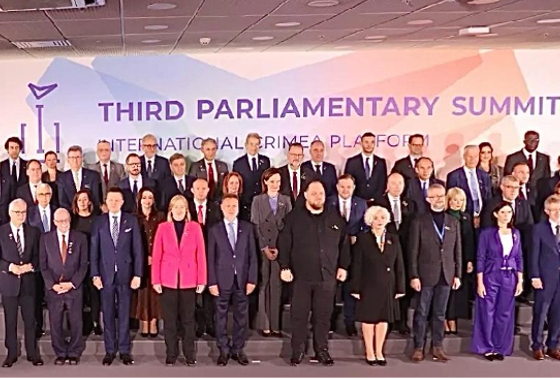
- 3 October 2024 PACE approves a resolution that calls for international recognition of the Holodomor as genocide, urges support for Ukraine in its fight against aggression
-
Read more
PACE marked the 90th anniversary of the Holodomor, Stalin's genocide by famine, by declaring in a Resolution that Ukraine now faces a renewed threat of genocide due to Russia’s ongoing aggression. In a unanimous resolution based on Knut Abraham’s report, the Assembly condemned Russia’s actions, such as massacres, the targeting of civilians, the destruction of Ukrainian culture, and the forced deportation of children, as evidence of genocidal intent. PACE urged all governments to use all available measures, including the Genocide Convention, to prevent further atrocities and called on the ICC Prosecutor to investigate genocide allegations against Ukraine.
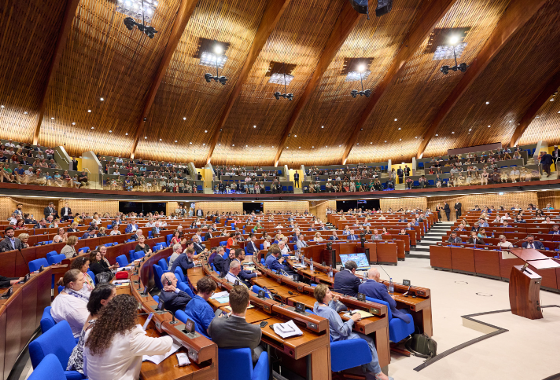
- 2 October 2024 PACE approves a resolution on “Missing persons, prisoners of war and civilians in captivity as a result of the war of aggression of the Russian Federation against Ukraine”
-
Read more
In the adopted Resolution, PACE called for the fair treatment of prisoners of war and civilians held in Russian captivity, urging compliance with international humanitarian law and human rights standards. With over 65,000 individuals reported missing or captured, the Assembly pledged to stay involved until every captive is released. In a resolution based on Mariia Mezentseva-Fedorenko’s report, PACE emphasised its role as a voice for prisoners and their families, urging continuous international attention to their plight. The Assembly also demanded unimpeded access for the International Committee of the Red Cross to detention sites and supported "all for all" prisoner exchanges.
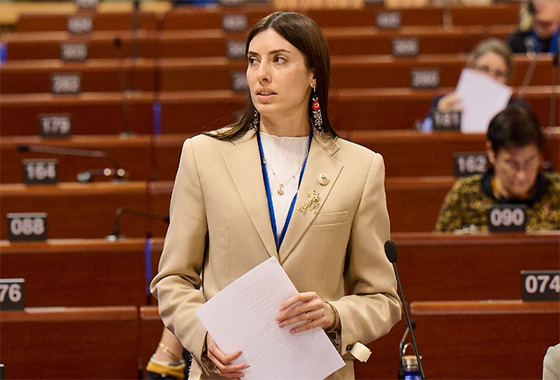
- 1 October 2024 PACE passes a resolution on the “Propaganda and Freedom of information in Europe”, emphasizing that the widespread dissemination of harmful propaganda undermines democracy and human dignity
-
Read moreIn the Resolution, the Parliamentary Assembly emphasised that propaganda can manipulate public opinion, undermine democratic systems, and hinder informed citizen participation. In a resolution based on Stefan Schennach's report, they called for a coordinated approach to counter harmful propaganda, urging states to avoid censorship while protecting freedom of expression. The Assembly stressed the importance of independent regulators, media collaboration, and a pluralistic media landscape. They also highlighted the need for transparency in media ownership, equal access to information, and promoting media literacy to build public trust and ensure reliable information.
September 2024
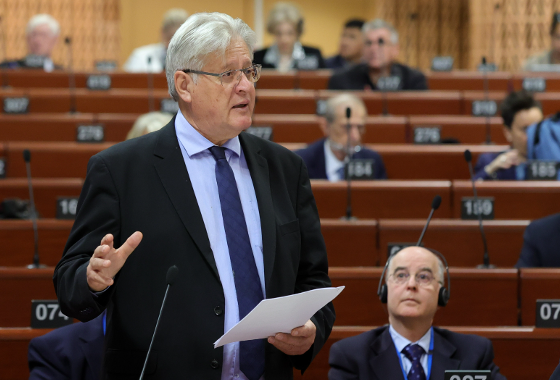
- 30 September 2024 PACE adopts a resolution “The Council of Europe Development Bank: implementing the Reykjavik Declaration”
-
Read more
In its plenary session, PACE adopted a Resolution that praised the Council of Europe Development Bank (CEB) for its flexible support during the pandemic and its quick aid to Ukrainian refugees. It highlighted the Bank’s growth, encouraging Armenia, Austria, Azerbaijan, Monaco, and the UK to join. PACE also called for increased support for Ukraine’s recovery, especially in housing and public health, and for a focus on social issues related to climate change. The Assembly urged more grants for high-impact social projects and greater cooperation with the EU and other partners. CEB Governor Carlo Monticelli emphasized the Bank's commitment to the Council of Europe’s values.
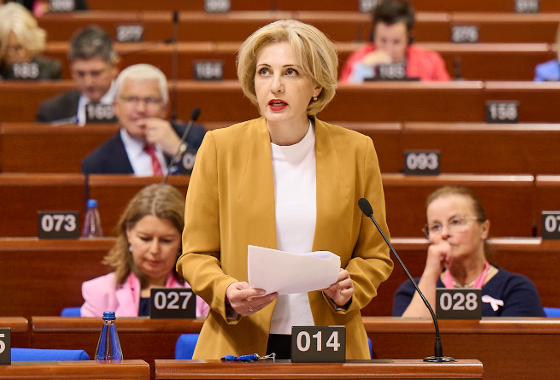
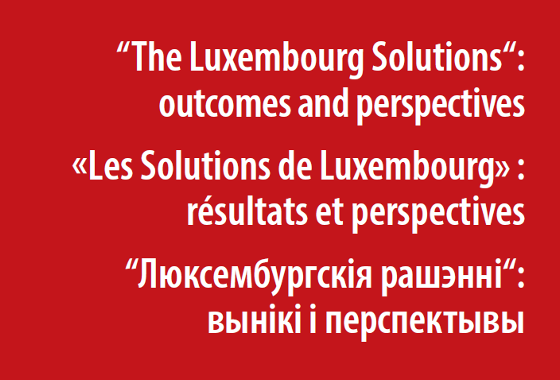
- 25 September 2024 PACE publishes “The Luxembourg Solutions”, a guide for European parliamentarians and other policymakers on the practical steps they can take to help Belarusians living in exile in Council of Europe member states
-
Read more
The Parliamentary Assembly of the Council of Europe (PACE) has published The Luxembourg Solutions a 107-page guide offering practical policy recommendations for European parliamentarians and policymakers to assist Belarusians living in exile across Council of Europe member states. The guide addresses crucial issues such as legal entry and stay, freedom of movement, access to education, career opportunities, and the preservation of Belarusian cultural identity. It follows a June 2024 conference in Luxembourg and builds on a report and resolution from 2023. The guide is accompanied by a literary piece by Belarusian writer Sasha Filipenko, providing a personal reflection on exile. Both publications are available for download in multiple languages.
- 5 September 2024 PACE President welcomes opening for signature of new AI and human rights convention
-
Read more
PACE President Theodoros Rousopoulos has welcomed the opening for signature of the new Council of Europe Framework Convention on Artificial Intelligence and Human Rights, Democracy and the Rule of Law, which has been a priority for his mandate. The framework convention is the first ever international treaty on AI, open to all states worldwide, on which ratifying states agree to base their national laws. In an opinion adopted unanimously in April, the Assembly warmly welcomed the drafting of the convention and urged its entry into force as soon as possible – while regretting that it “does not cover to an equal extent public and private actors”.

July 2024
- 2 July 2024 Third high-level dialogue in Strasbourg outlining support for Ukraine
-
Read more
Addressing the high-level dialogue on the theme “Good democratic governance in Ukraine: achievements, challenges and the way forward in the post-war period”, the Secretary General of PACE highlighted on-going work for the project “Supporting democratic post-war elections in Ukraine”, within the framework of the Council of Europe’s 2023-2026 Action Plan for Ukraine. The Project aims to support the Ukrainian authorities, namely the Central Election Commission and the Profile Committee of the Verkhovna Rada in Ukraine, as well as civil society to prepare for the post-war national and local elections and referenda, to ensure that they are held in line with international and European electoral standards and good practices.
June 2024
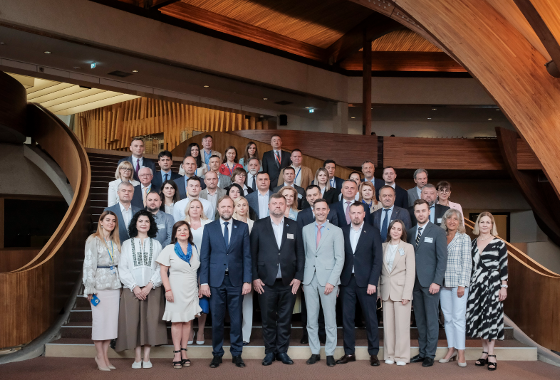
- 27 June 2024 Adoption of Resolution 2562 (2024) An urgent call to Europe and its partners: envisioning immediate and long-term policy solutions in support of the displaced people of Ukraine
-
Read more
In adopting Resolution 2562 (2024), PACE called on EU member States to prolong the protection of or open new avenues for a regular and secure presence of Ukrainian people on their territories, with access to rights available for asylum seekers. The host countries should also consider granting permanent residency to Ukrainians after three years of residence. Regarding the internally displaced Ukrainians, the Assembly proposed measures such as a rapid provision of sufficient humanitarian assistance. It further reiterated its call to take urgent measures to liberate Ukrainians deported to the Russian Federation and Belarus and enhance co-operation to help return forcibly displaced children.
- 27 June 2024 PACE launches a new Parliamentary Network on the situation of the children of Ukraine
-
Read more
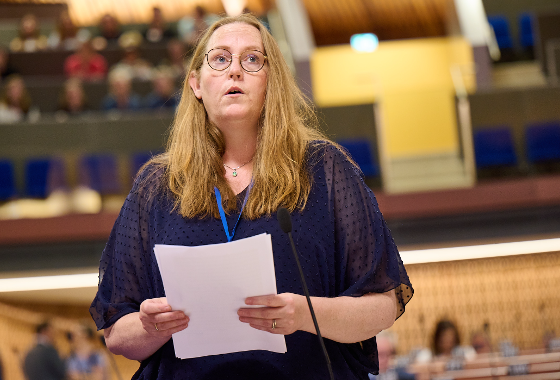
The Network launched in Strasbourg will enable “the Assembly to continue its role as a facilitator to support the Ukrainian authorities and various international organisations in determining the most rapid means to identify and facilitate an effective search for deported children”. It will also be a “platform of exchange to promote the protection of the rights of displaced and refugee children”.
The Network is a follow-up to PACE’s Resolution 2529 (2024) on this issue adopted in January 2024 and will hold its first meeting during the October-session.
- 26 June 2024 PACE sets out plans to try Russian leaders, strengthen sanctions and stop the ‘erasure’ of Ukrainian identity
-
Read more
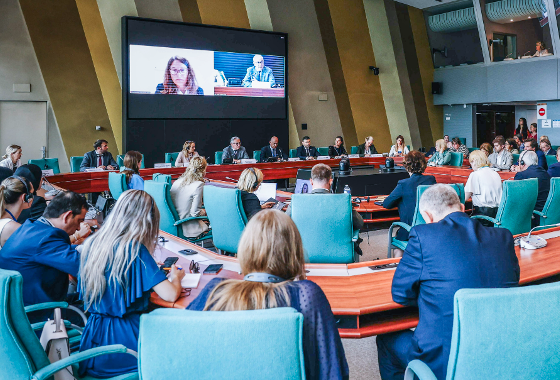
In a trio of resolutions adopted, PACE set out plans to try Vladimir Putin and his generals for aggression against Ukraine, strengthen sanctions against Russia and counter its attempts to “erase” Ukrainian cultural identity. Adopting Resolution 2556(2024), the Assembly emphasized that a special tribunal is the best feasible option for trying Russia’s political and military leadership for the crime of aggression. In a separate resolution, Resolution 2557(2024), the Assembly proposed ways to plug “gaps and loopholes” in existing sanctions against Russia, such as listing and banning “shadow fleet” vessels, enhancing export controls, and holding parent companies accountable for subsidiaries' actions. In a third resolution, Resolution 2558(2024), PACE condemned Russia’s systematic efforts to “erase” Ukrainian cultural identity – such as the "Russification" of children, rewriting history textbooks, removing archives, and destroying cultural heritage. These were “war crimes and crimes against humanity”, the parliamentarians said, underlining the need for full reparations in due course.
- 5-6 June 2024 Conference “The Luxembourg Solutions”
-
Read more
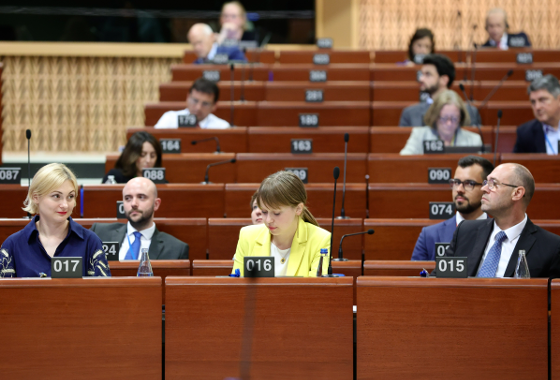
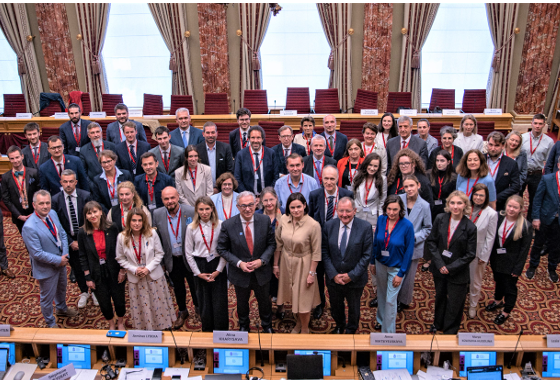
As a follow-up to Resolution 2499 (2023), the conference explored ways that national parliaments can help to address the challenges faced by Belarusians in exile. It brought together parliamentarians with leading figures from Belarus’s democratic forces – including Sviatlana Tsikhanouskaya – , representatives of Belarusian civil society, media and academia and leading Belarusian cultural figures, such as writer Sasha Filipenko and the founder of the Belarus Free Theatre Natalia Kaliada. PACE President Theodoros Rousopoulos said that by helping Belarusians in exile, the Council of Europe was helping to build tomorrow’s democratic Belarus.
April 2024
- 18 April 2024 Adoption of Resolution 2545 (2024) Mainstreaming the human right to a safe, clean, healthy and sustainable environment with the Reykjavik process
-
Read more
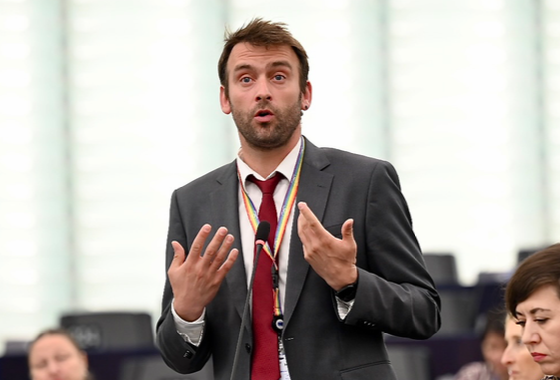
PACE recalled that at the Reykjavik Summit, the Heads of State and Government recognised the urgency of protecting the environment and countering the impact of the “triple planetary crisis of pollution, climate change and loss of biodiversity”. The Resolution 2545(2024) suggested elements for a Council of Europe strategy on environment, such as drawing up a legal binding instrument recognising the right to a healthy environment, and encouraged member states to create specialised environmental teams in all branches of governance and introduce citizen participation mechanisms at national level to promote social acceptance of environmental policies.
- 6 April 2024 PACE calls for frozen Russian State assets to be used to support the reconstruction of Ukraine
-
Read more
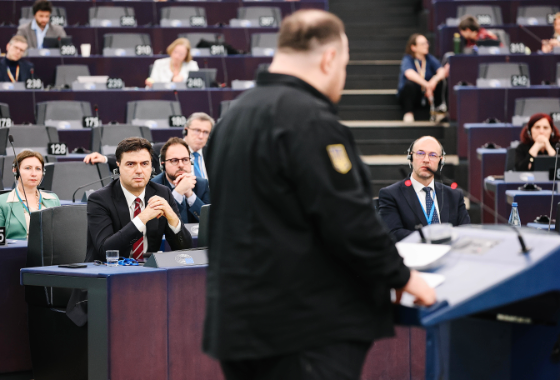
The Assembly recommended using Russian assets frozen by member states to support the reconstruction of Ukraine. In adopting unanimously Resolution 2539(2024), PACE said that “the aggressor State, the Russian Federation, had the obligation to provide full compensation for the damage, loss and injury caused by its wrongful acts, including the destruction of infrastructure, loss of life and economic hardships,” in accordance with the principles of international law. To document the damage, PACE called for the creation of “an international compensation mechanism” under the auspices of the Council of Europe as well as an “impartial and effective international claims commission”. The Chairman of the Verkhovna Rada, Mr Ruslan Stefanchuk, was invited to address the Assembly during the debate.
January 2024
- 24 January 2024 Creation of a network of PACE members involved in election observation
-
Read more
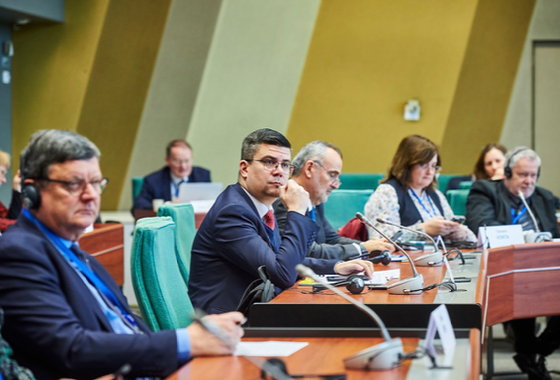
The green light was given to set up a Parliamentary Assembly Network of Election Observers. The network, that will be launched at the October-session, should amplify the Assembly’s electoral activities, promote the Council of Europe reference standards in electoral matters and boost the implementation of the Reykjavik Principles for Democracy.
- 11-12 January 2024 Helsinki dialogue event
-
Read more
On 11-12 January 2024, the Parliamentary Assembly and the Parliament of Finland jointly organised the “Helsinki Dialogue event”, where leading representatives of Belarusian democratic forces as well as members of civil society and journalists in exile, joined parliamentarians from across Europe to discuss how to build a democratic future for Belarus. The event featured six panel discussions on the current geopolitical context around Belarus, Belarusian national identity, political prisoners, strengthening support for Belarusian democratic forces, electoral matters and the creation of a representative body of the Belarusian people.
December 2023
- 15 December 2023 Event on children of Ukraine
-
Read more
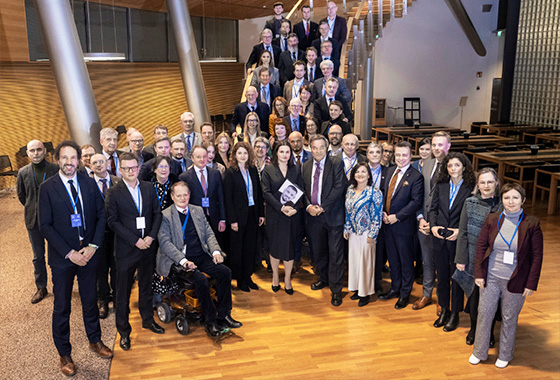
A special event was organised in Paris on 15 December 2023 on the situation of children of Ukraine. The debates were structured in two sessions: the first one focused on the situation of Ukrainian children currently in Council of Europe member states, their access to healthcare and education, and EU protection measures. The second session focused on the situation of Ukrainian children deported or forcibly transferred to the Russian Federation, Belarus, or territories temporarily occupied by the Russian Federation. The meeting also featured video testimonies and discussions on possible actions to locate and help return deported or forcibly transferred Ukrainian children. PACE members, representatives from Ukrainian authorities, NGOs and international organisations contributed to the discussions, focusing on the need for co-ordinated effort.
- 4 December 2023 Seminar on “Strategies and tools of the Council of Europe to ensure the respect of human rights, rule of law and democracy obligations in the resolution of conflicts”
-
Read more
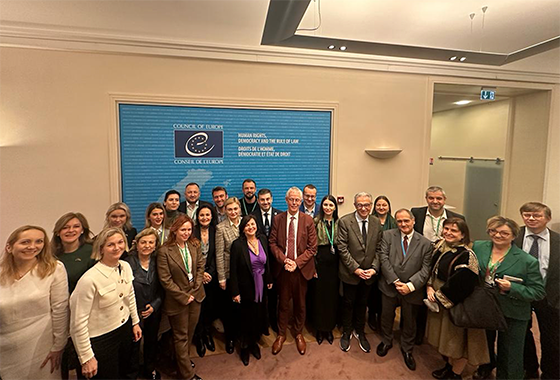
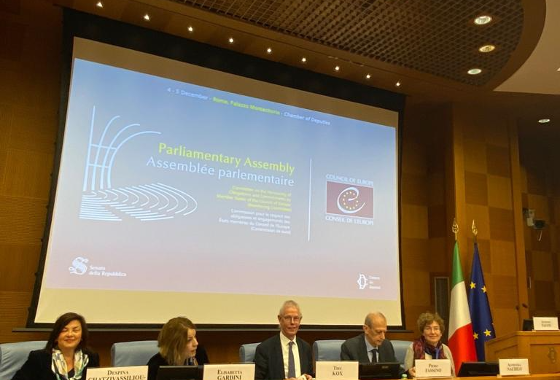
On 4 December 2023, in Rome, the Assembly’s Monitoring Committee organised a seminar on “Strategies and tools of the Council of Europe to ensure the respect of human rights, rule of law and democracy obligations in the resolution of conflicts”. PACE President Tiny Kox opened the event and urged Council of Europe member states to respect the rulings of the Strasbourg Court, boost the Council of Europe’s “early warning capacity” and develop a more flexible, credible and coherent “toolkit” of measures for putting pressure on states that do not respect their obligations. Italian Foreign Minister Antonio Tajani also addressed the event.
November 2023
- 28 November 2023 Current affairs debate on “Budget and priorities of the Council of Europe and follow-up to the Reykjavik Summit”
-
Read more
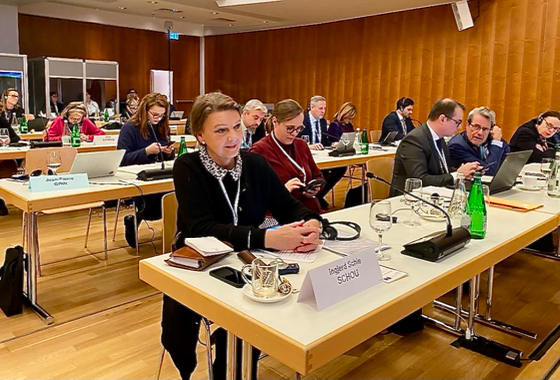
On 28 November 2023, in Vaduz, the Assembly’s Standing Committee held a current affairs debate on “Budget and priorities of the Council of Europe and follow-up to the Reykjavik Summit”. The debate was opened by Ms Ingjerd Schou (Norway, EPP/CD), General rapporteur on the budget and the intergovernmental programme, who underlined that it was time to shoulder responsibility to implement the Reykjavik priorities. In her view, it was necessary to re-double efforts to modernise the Organisation, make it more efficient, more ‘green’ and more responsive to the expectations of our citizens. Council of Europe Deputy Secretary General, Mr Bjørn Berge, also addressed parliamentarians during the debate.
- 14 November 2023 PACE rapporteur sends a message to the core group towards a tribunal on the crime of aggression against Ukraine
-
Read more
On 14 November, Mr Davor Stier (Croatia, EPP/CD), the Parliamentary Assembly’s rapporteur on the legal and human rights aspects of the Russian Federation’s war of aggression against Ukraine, sent a message to the 'core group' of 38 countries willing to establish a special tribunal for the crime of aggression committed by the Russian Federation against Ukraine, ahead of their meeting on 16 November 2023 in Berlin. Mr Stier welcomed the fact that many countries were ready to move forward on the creation of a special tribunal for the crime of aggression and underlined the substantial contribution the Council of Europe could make to the future tribunal.
October 2023
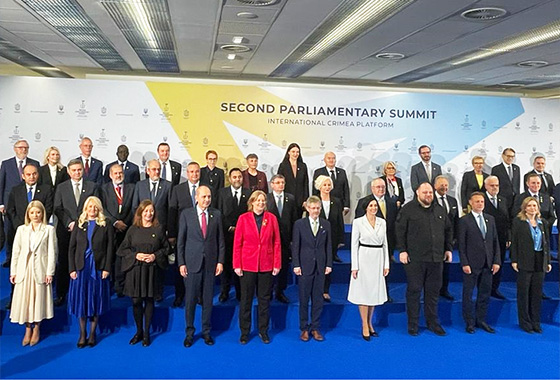
- 24 October 2023 PACE President participates in the second parliamentary summit of the International Crimea Platform
-
Read more
Speaking at the second parliamentary summit of the International Crimea Platform in Prague, the President underlined that bringing the occupied parts back as soon as possible to Ukraine, is bringing justice to the citizens of Ukraine, and ensuring that their fundamental human rights and freedoms will be again respected and protected. This should remain our focus, every day, he stressed. The President pointed to the numerous actions taken by PACE to support Ukraine, including its successful push for the creation of a Register of Damage and in due course a compensation fund, its work to create a tribunal to try Russia for the crime of aggression, and its total condemnation of the illegal annexations of Ukrainian territory.
- 12 October 2023 Adoption of Resolution 2516 (2023) Ensuring a just peace in Ukraine and lasting security in Europe
-
Read more
In adopting Resolution 2516 (2023), the PACE condemned Russia's ongoing war of aggression against Ukraine, stressing the importance of upholding Council of Europe standards and calling for a united front to stop the aggression and win a peace which is comprehensive, just and lasting, ensuring that the rule of law prevails over the rule of force. To this end, the PACE set several priorities and recommended in particular: recognising the Great Famine (the Holodomor) as an act of genocide and adopt resolutions commemorating the victims; pushing for setting up an international compensation mechanism for the victims and support the creation of a Special International Tribunal for the crime of aggression; widely supporting President Zelenskyy's Peace Formula and assisting Ukraine in its struggle to defend its independence, sovereignty and territorial integrity.
- 10 October 2023 PACE to create a contact platform for dialogue with representatives of Russian democratic opposition forces
-
Read more
The PACE decided to create a regular contact platform for dialogue with representatives of Russian democratic opposition forces who share Council of Europe values, fully respect Ukraine’s territorial integrity and condemn Russia’s war of aggression. This new platform would help to develop proposals and generate ideas for the future democratic transformation of Russia in such a way that the country no longer poses a threat to its neighbours and to international law, as well as to its citizens. The ultimate shared aim is to achieve a sustainable peace for Ukraine, restore its territorial integrity and ensure Russia’s full accountability for its war crimes and aggression.
September 2023
- 28-29 September 2023 European Conference of Presidents of Parliament
-
Read more
The European Conference of Presidents of Parliament, held in Dublin on 28-29 September, concluded with a tribute to the courage of the Ukrainian people and a declaration of unwavering commitment to stand with Ukraine for as long as it takes. The two-day parliamentary summit, which brought together some 60 Speakers or Deputy Speakers of Parliament and around 400 delegates, focused on how parliaments can support Ukraine, on challenges to representative democracy in volatile times, and on encouraging greater diversity and equality among MPs. All the three themes of the conference were strongly linked to the Reykjavik Declaration. In adopting the conclusions of the Conference, Speakers of Parliament identified a number of concrete steps to further implement it.

- 11 September 2023 PACE President addresses the Council of Europe Ministers of Justice informal conference “On the Path to Justice for Ukraine”
-
Read more
ACE President emphasised the urgent need for justice and accountability in Ukraine, underlying that the creation of the international Register of damage is only the first step in this process. The PACE President called on the Council of Europe to play a leading role in setting up and managing a compensation mechanism, in charge of reviewing and adjudicating the claims submitted and documented by the Register. He finally called on the Ministers to ensure that the Register will be the foundation upon which other international institutions delivering justice to Ukraine will be built, including the setting up of an ad hoc tribunal on the crime of aggression.
June 2023
- 27 June 2023 PACE President addresses the first conference of participants of the Register of Damage for Ukraine
-
Read more
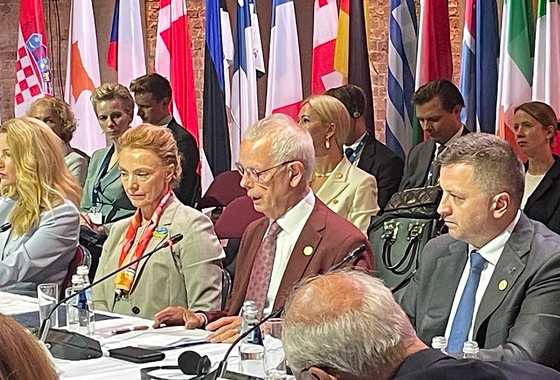
Speaking at the first conference of participants of the Register of Damage for Ukraine, the President of the Parliamentary Assembly, Mr Tiny Kox, welcomed the creation of an international Register of Damage for Ukraine as a first practical step towards obtaining reparation for the damage caused to the Ukrainian people by Russia’s war of aggression. The President urged that it record also loss or damage caused by private military groups controlled by Russia, such as the Wagner and Kadyrov groups.
- 22 June 2023 Adoption of Resolution 2506 (2023) - Political consequences of the Russian Federation’s war of aggression against Ukraine
-
Read more
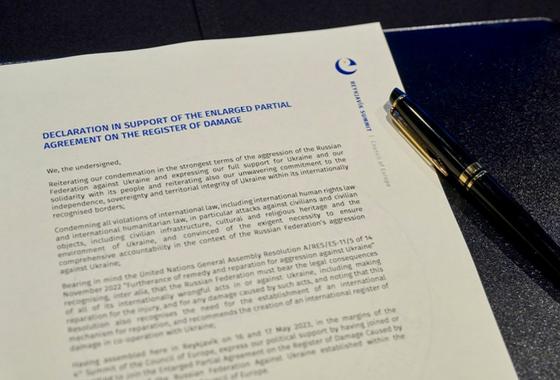
On 22 June 2023, PACE adopted Resolution 2506 (2023) on « Political consequences of the Russian Federation’s war of aggression against Ukraine. In this text, PACE considered that of the main political consequences of the Russian Federation's war of aggression against Ukraine is that it has forged a renewed bond amongst democracies in support of Ukraine. According to the parliamentarians, the Reykjavik Summit is the expression of this unity around common values, and the resolve to support Ukraine as long as it takes.
- 21 June 2023 Adoption of Opinion 301 (2023) - Budgets and priorities of the Council of Europe for the period 2024-2027
-
Read more
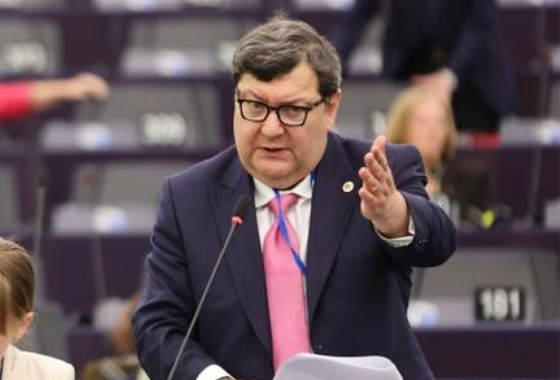
In adopting an opinion on the budgets and priorities of the Council of Europe for the period 2024-2027, the Assembly underlined that, given the depth of the priorities set by the leaders of the member States at the 4th Summit, the Council of Europe should be granted resources that are commensurate with the level of member States’ political ambition for the Organisation.
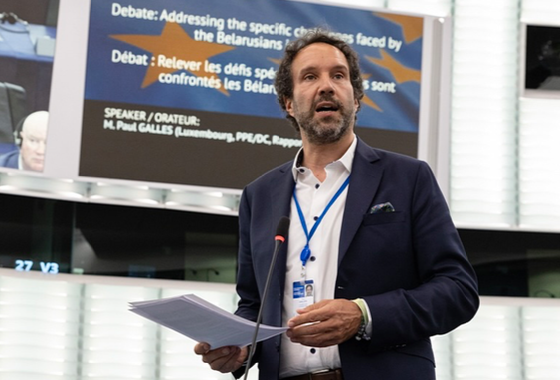
- 20 June 2023 Adoption of Resolution 2499 (2023) - Addressing the specific challenges faced by Belarusians in exile
-
Read more
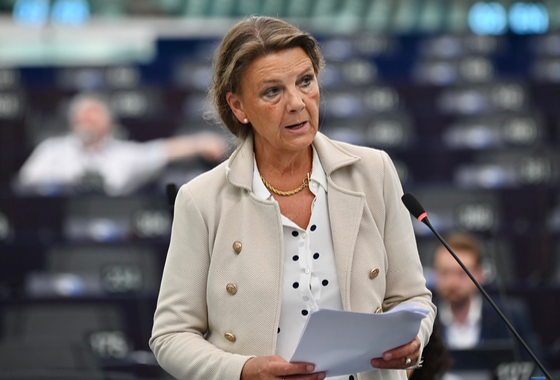
In adopting Resolution 2499 (2023), the Assembly recognised that the Belarusian people are not the same as the Lukashenka regime, and should not be treated in a discriminatory fashion because of the regime’s participation in the war of aggression against Ukraine. The Assembly therefore made a series of practical recommendations to make legal entry and stay outside Belarus, and travel in the EU, easier for exiles and their families, as well as steps to keep them safe from reprisals, able to access their bank accounts and run businesses. It also called on Council of Europe States support the democratic forces in exile, as well as civil society and lawyers, and encourage Belarusian education and culture.
May 2023
- 26 May 2023 Riga Declaration
-
Read more
In Riga, Standing Committee members adopted the declaration « The Reykjavik Summit: a strong message of unity, common purpose and unwavering resolve to be followed up by action », in which they welcomed the Reykjavik Declaration as a strong message of unity, common purpose and unwavering resolve. They also called on all members of the Assembly to commit to ensuring that the Reykjavik Declaration finds its expression in action at the national level, through holding governments to account on the commitments made at the Summit, supporting the necessary legislative changes and ratifications, and ensuring and mobilising the level of budgetary resources commensurate with the mandate and tasks given to the Organisation in Reykjavik.

- 16-17 May 2023 Participation in the Summit
-
Read more
Addressing the Reykjavik Summit, the President of the Parliamentary Assembly, Mr Tiny Kox, praised the Reykjavik Declaration and expressed the Assembly’s support for the priorities identified in it, including the support to the creation of a comprehensive system to ensure the accountability of the Russian Federation ; a better safeguarded European Convention on Human Rights ; reversing the dangerous backsliding of democracy ; and the recognition of the right to a clean, healthy and sustainable environment as a fundamental human right.
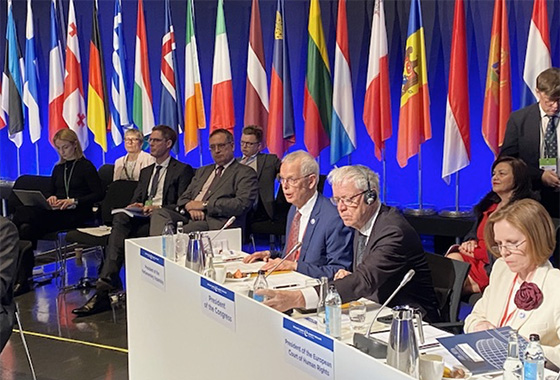
- 15 May 2023 Standing Committee meeting in Reykjavik
-
Read more
On 15 May 2023, on the eve of the Summit, members of parliament from the 46 member States of the Council of Europe, represented by the Standing Committee, met in Reykjavik to provide a strong parliamentary dimension to the Summit. They had a discussion on two themes at the heart of the Summit’s deliberations, namely «the Council of Europe as a key placer of the multilateral architecture», and «The Council of Europe as a pioneer of human rights protection: the new generation of rights».