03/11/2026 Children of Ukraine
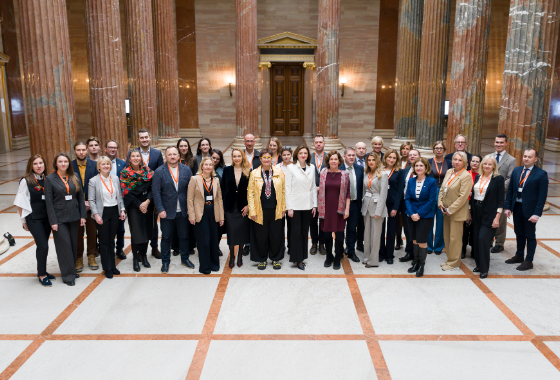
How can a young person who fled Ukraine stay in school, continue medical treatment and know where they can live when they turn 18? These questions were at the heart of today’s meeting of the Assembly’s Parliamentary Network on the Situation of the Children of Ukraine in Vienna.
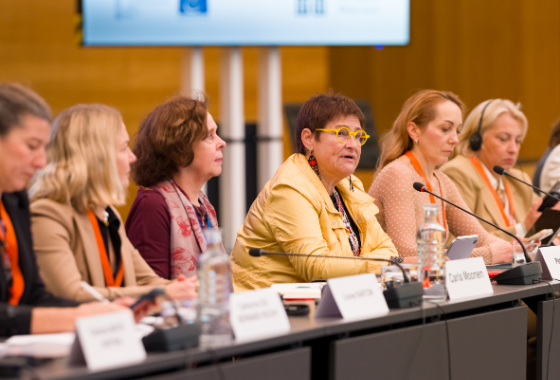
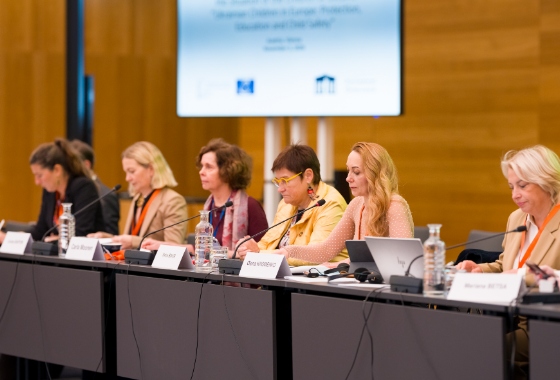
Held at the Austrian Parliament and chaired by Olena Khomenko (Ukraine, ECPA), the meeting brought together parliamentarians, Ukrainian and Austrian authorities, international organisations and civil society to discuss how host countries can support children displaced by Russia’s war of aggression against Ukraine. The meeting was opened by PACE President Petra Bayr who noted: “Ukrainian children are part of our future. Protecting Ukrainian children is a shared European responsibility.”
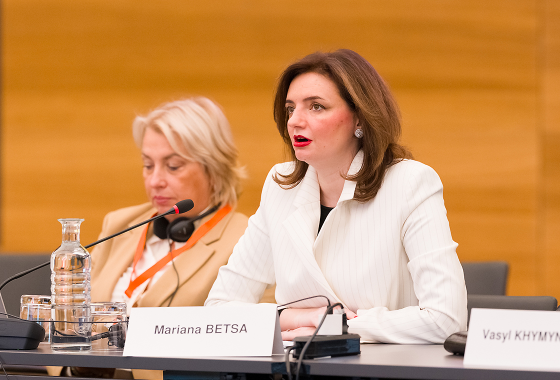
In a keynote speech, Ukraine’s Deputy Foreign Affairs Minister Mariana Betsa underlined: “Russia wants to turn Ukraine into a springboard for its aggression against Europe. If it succeeds, European children will be the ones to suffer. We want to build a strong, democratic Ukraine – an integral part of Europe’s civilisational project and its bulwark against the Russian threat. And Ukraine’s future is its children. Those living under Russian missiles in Ukraine. Those staying now in Europe. And those forcibly deported to Russia. They all need your help and protection: to overcome the consequences of war; to preserve Ukrainian identity while in Europe; and to fight for the return of those forcibly deported to Russia. This is the best investment we can make in a peaceful and secure future for Europe.”
The first session examined what happens to children and families as temporary protection arrangements change. It focused on options for securing residence and maintaining access to schools, healthcare and social services, particularly for children separated from their families and young people approaching adulthood.
The education session drew on the experience of the Ukrainian Saturday School in Vienna and the Prolisok Ukrainian school in Marseille. It considered how schools can help pupils learn the local language, gain recognition for studies completed in Ukrainian and receive help when they face bullying in class or online.
The final session examined how treatment and rehabilitation can continue when children cross borders. Examples from the programme included medical evacuation from Ukraine, counselling in Ukrainian and respite stays for families. The discussion also considered how to reach children with disabilities and those living with the effects of trauma.
The Chair of the Network Olena Khomenko concluded: “I am happy that together, we have built a circle of support around Ukrainian children, providing the necessary protection, care that helps them recover, communities that welcome them, and schools that help them to keep learning.”
Following the conference, the Network will present the conclusions and recommendations of the meeting in the form of a fact-sheet which can be used by its members for implementation in their respective countries.