01/10/2026 Women@PACE
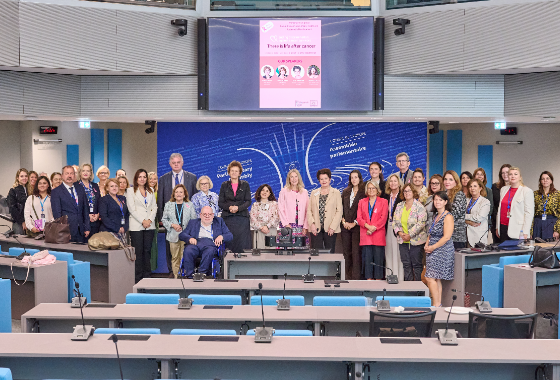
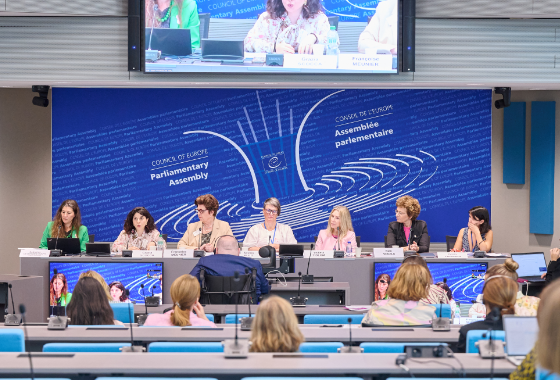
To mark Breast Cancer Awareness Month, the Women@PACE group and the Committee on Social Affairs, Health and Sustainable Development held a joint meeting on discrimination against cancer survivors.
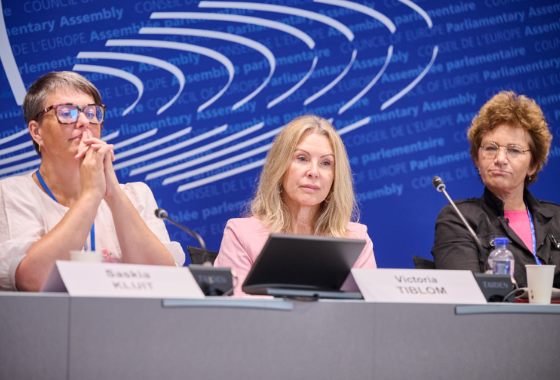
Opening the meeting, Victoria Tiblom (Sweden, ECPA), highlighted the need to turn personal experiences into action: “Listening is important, but it’s only the beginning. We need to turn these stories and this knowledge into action so that cancer can be a part of someone’s past without defining their future.”
Saskia Kluit (Netherlands, SOC), Chairperson of the Committee on Social Affairs, Health and Sustainable Development, stressed that the consequences of cancer can continue long after treatment: “Scars do not disappear, especially when they are followed by social, professional and economic consequences.”
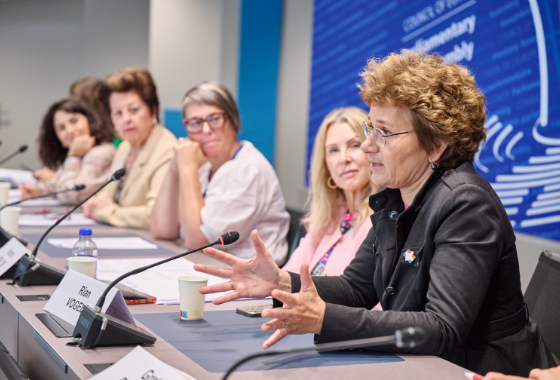
Assembly members Rian Vogels (Netherlands, ALDE) and Elena Bonetti (Italy, ALDE), who have both experienced breast cancer, shared their personal stories.
Rian Vogels spoke about the importance of continuing to work during her recovery: “I chose my work. My work as a senator, my work as a supervisory board member. Because you, my dear colleagues, carried me through this. Work was my lifeline. It recharged me—I was so happy not to feel like a patient.”
Elena Bonetti highlighted the importance of looking beyond survival: “It’s not just about helping women to survive, but to continue to live.”
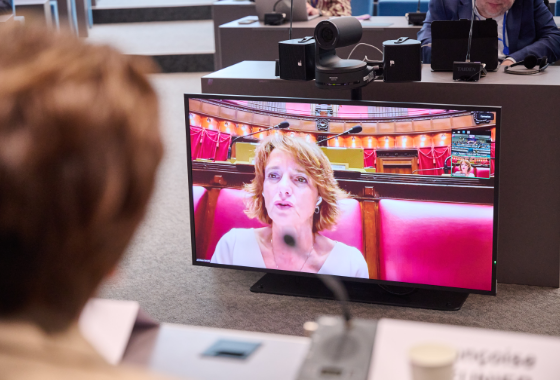
Dr Françoise Meunier, an oncologist and researcher, drew attention to the practical barriers cancer survivors may face: “Long-term survivors face barriers when applying for a mortgage, life insurance or accessing financial services.”
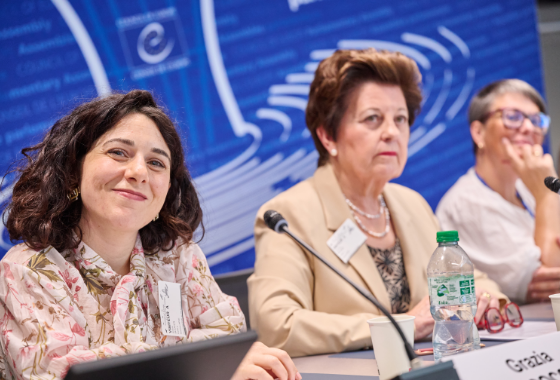
Grazia Scocca, a researcher specialising in the legal and social dimensions of cancer survivorship, raised the broader question: “The question is for how long a past diagnosis should continue to prevail over a person’s ability to work, to borrow, to insure and to plan the future of their life, without being permanently defined by a disease that they have overcome.”
The discussion focused on the “right to be forgotten” and the need to prevent a past diagnosis from creating unjustified barriers to insurance, credit, employment and other areas of everyday life.
Speakers stressed that surviving cancer should also mean being able to move forward without discrimination.