


22/06/2026 Session
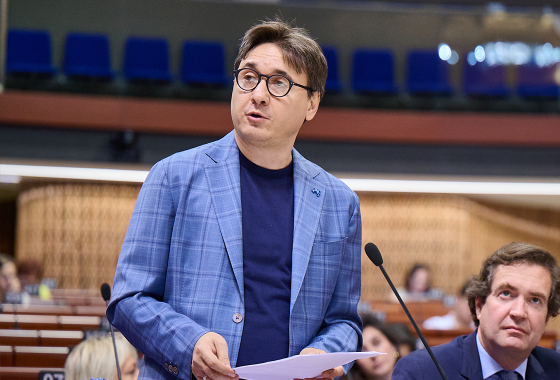
The 19 April early parliamentary elections in Bulgaria, marked by increased participation, were efficiently administered and took place calmly on election day, despite gaps in the legislative framework, high political polarisation and persistent concerns over vote-buying and controlled voting, according to the election observation report presented today in plenary by Armen Gevorgyan (Armenia, ECPA), Vice-Chairperson of the PACE observer delegation, speaking on behalf of Chris Said (Malta, EPP/CD), head of the PACE delegation.
After eight early parliamentary elections since 2021, Bulgarian citizens voted in stronger numbers and sent a clear message: they wanted change, deliverability and an end to repeated political deadlock. The report underlines that these elections were a test of political legitimacy, public trust and democratic resilience. It also notes the continued erosion of traditional mainstream parties, which have increasingly failed to meet public expectations for stability, integrity and reform.
While voters were offered a genuine choice and fundamental freedoms were generally respected, the campaign was highly polarised, marked by negative rhetoric, personal attacks and disinformation. Online campaigning played a much greater role but remains largely unregulated, while the media landscape, though pluralistic, was constrained by political and economic influence, self-censorship and paid or pre-arranged coverage.
The delegation commended the interim government for its visible and proactive efforts to address vote-buying, controlled voting and foreign malign interference, while stressing that these efforts must now be followed by effective investigations, prosecutions, and final judicial outcomes.
The report underlines that Bulgaria now needs democratic stability: stability with responsibility, pluralism, effective checks and balances, long-delayed reforms, and restoration of public trust in institutions. The new parliamentary majority has an opportunity to move the country from political paralysis to reform, but should use its mandate to strengthen institutions, not dominate them.
Following the closure of the post-monitoring dialogue in October 2025, PACE will continue to follow developments in Bulgaria under the periodic review procedure and stands ready to work with the new authorities, together with the Venice Commission, to strengthen democratic standards and electoral integrity.