29/01/2026 Session
The Parliamentary Assembly of the Council of Europe (PACE), meeting in plenary session in Strasbourg, today called on member states to adopt legislation to “prohibit conversion practices, providing for criminal sanctions and based on a clear and comprehensive definition of the proscribed practices”, and to establish monitoring and reporting mechanisms. It stressed that the experience of pioneering countries in this area, such as Malta, could provide valuable insight to guide legislative reforms.
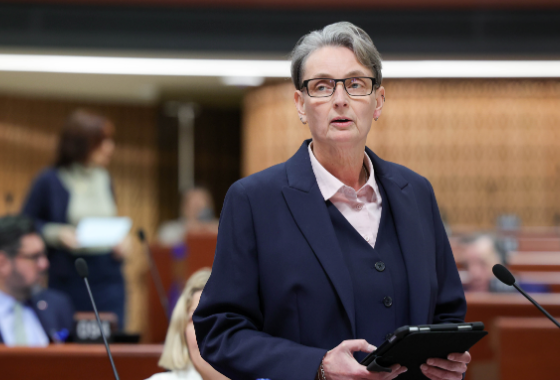
These practices – also referred to as conversion therapies or reparative therapies – aim to “change, repress or suppress or eliminate a person's sexual orientation, gender identity or gender expression” based on the false belief that such aspects are “pathological or undesirable”, states the resolution adopted by PACE, based on the report by Kate Osborne (United Kingdom, SOC).
Concerned that conversion practices persist across member states – often covertly – and considering that they have no scientific basis and have harmful consequences on the individuals subjected to them, PACE believes that “action to prevent and counter the harm caused […] is urgently needed”. This is both a public health imperative and a matter of respect for human rights and fundamental freedoms, the parliamentarians said, reaffirming the importance of personal autonomy, as protected under Article 8 of the European Convention on Human Rights.
Furthermore, PACE proposed a set of measures concerning victim support and protection, and with regard to training and public awareness. It also recommends strengthening co-operation with civil society organisations – particularly those active in protecting the rights of LGBTI persons – professional organisations and religious institutions; evaluating the legislation implemented; and encouraging research and data collection on the prevalence and impact of conversion practices.
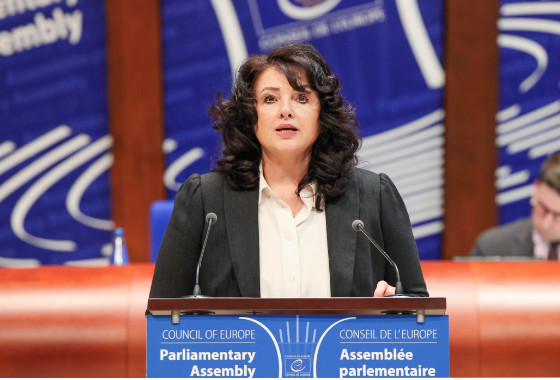
“These practices are grounded in a lie, the lie that diversity is a defect. They are sustained by stigma, and they persist only because institutions and States have allowed them to persist,” said Helena Dalli, former European Commissioner for Equality and former Minister for European Affairs and Equality of Malta, in her statement during the debate.
Ms Dalli recalled that in 2016, Malta became the first country in Europe to outlaw conversion practices. “Our legislation was clear, proportionate and principled. It did not criminalise belief. It did not interfere with legitimate therapeutic support. What it did was establish a non-negotiable boundary: no one has the right to deny another person’s identity”.
“Either Europe affirms, unequivocally, that diversity in sexual orientation and gender identity is part of the human condition, or it tolerates practices that treat it as a pathology. […] No state should claim fidelity to human rights while allowing these practices to continue,” Ms Dalli concluded.