


27/05/2026 Legal Affairs and Human Rights
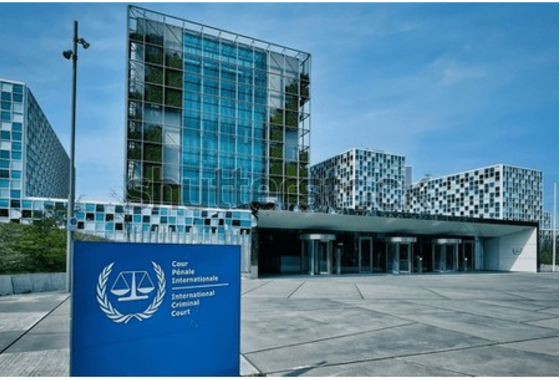
The PACE Committee on Legal Affairs and Human Rights, meeting in Tallinn, made the following statement on the coercive measures imposed on judges and prosecutors of the International Criminal Court :
"The Committee on Legal Affairs and Human Rights of the Parliamentary Assembly of the Council of Europe is deeply concerned about the situation of judges and prosecutors of the International Criminal Court (ICC), who are subject to repressive measures for undertaking their functions as part of the international justice system. These measures, that affect judges, prosecutors and their families, have been imposed by states that are not parties to the ICC Statute and, in particular, the United States of America and the Russian Federation. However, they have far-reaching consequences for the ICC’s operational functioning, as well as for the professional and private lives of the officials concerned.
The committee emphasises that international judges and prosecutors should not be subject to sanctions or criminal measures merely for carrying out the functions required of them by international treaties. Such action constitutes an unacceptable attack on their independence and poses a serious threat to the authority of the international criminal justice system.
The committee calls on the international community, and in particular the States Parties to the ICC Statute, to take action to protect the ICC and other international institutions from such external threats. This should be achieved by ensuring that the officials’ privileges and immunities are scrupulously respected, and by establishing stronger mechanisms to protect international organisations from future risks. Specifically, member states must ensure that third party sanctions have no impact on the functioning of international organisations and their officials in the member states.
The committee calls on Council of Europe member states and the European Union to take concerted action to ensure that international organisations and their officials based in Europe can access all the services (including banking, insurance, medical and IT) they need to fulfil their international mandate, thus ensuring technological and financial autonomy for these multilateral organisations."