08/06/2026 Children of Ukraine
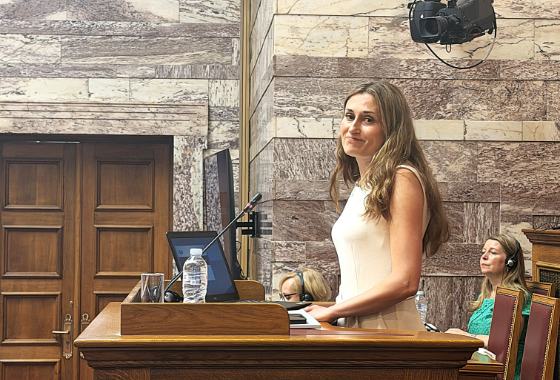
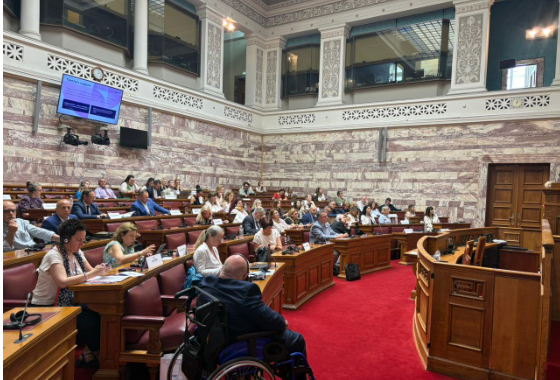
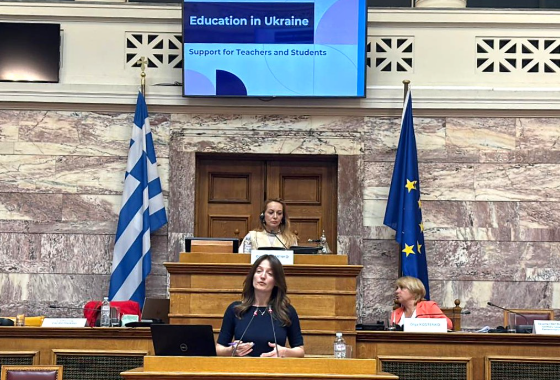
The urgent challenges faced by Ukrainian children with disabilities resulting from Russia’s war of aggression – including access to rehabilitation, healthcare, inclusive education, psychosocial support and continuity of care both in Ukraine and in host countries – was the topic of a high-level meeting of the Assembly’s Parliamentary Network on the Situation of the Children of Ukraine held in Athens.
Since the beginning of Russia’s aggression against Ukraine, more than 1,500 children have been injured, with hundreds of them needing rehabilitation, prosthetics, psychological support or long-term care for years to come.
Participants – including parliamentarians, leading rehabilitation specialists, child protection experts and representatives of civil society – focused on strengthening practical measures to support children and their families, and on sharing European good practice.
“Behind every number, there is a child, a family, a life forever changed by war,” said PACE Secretary General Despina Chatzivassiliou, opening the event. “And this is why our responsibility is not only political — it is also moral. The children we speak about today need much more than emergency assistance. They need long-term rehabilitation, inclusive education, psychological support, dignity and hope for the future. They need to feel that Europe has not forgotten them.”
The Chair of the Network Olena Khomenko (Ukraine, ECPA) said: “Today's discussions have demonstrated the value of sharing experiences and learning from one another. They have also shown that, despite the immense challenges created by the war, there is a strong commitment across Europe to ensuring that Ukrainian children with disabilities receive the support, protection and opportunities they deserve.”
Staff from the Kyiv City Rehabilitation Centre for Children with Disabilities spoke about their work during a panel on care for such children in Ukraine, while representatives of the Ukrainian Government identified the bottle-necks at national level, such as shortages of workforce and equipment, and potential solutions.
A second panel addressed how European host countries can help, with contributions from Greek government and NGO representatives working in this field, as well as presentations of Belgian and Swedish experience of caring for children with disabilities.