


23/06/2026 Session
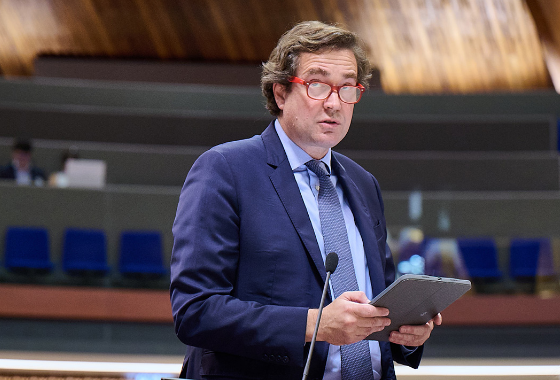
The 12 April 2026 parliamentary elections in Hungary were not ordinary elections. They tested whether a European democracy, after 16 years of democratic erosion, could still find its way back through the ballot box. In his report, Pablo Hispán (Spain, EPP/CD), Head of the PACE election observation delegation, welcomes the extraordinary mobilisation of Hungarian voters, with turnout reaching 79.56%, the genuine political choice offered to citizens, and the peaceful transfer of power following TISZA’s decisive victory. But the report is equally clear: the elections did not take place on a genuinely level playing field.
The campaign was active and competitive, but deeply unequal. It unfolded in a highly polarised environment marked by state capture, the systemic blurring of state and party, misuse of public resources, government-aligned proxy networks, opaque campaign financing, disinformation and fear-based narratives around war, Ukraine, the European Union and alleged foreign influence. Allegations and concerns about external interference featured prominently in the campaign, but the response by state institutions was not sufficiently transparent, evidence-based or politically neutral to reassure voters.
The media environment remained one of the most serious concerns. Although formally pluralistic, it was structurally skewed in favour of the governing parties: public service media failed to provide balanced coverage, several major private outlets overwhelmingly favoured Fidesz-KDNP, and independent journalists continued to face pressure, smear campaigns and restricted access to information. Election day itself was calm, orderly and professionally administered, with voting assessed positively in 99% of polling stations observed, but concerns persisted regarding ballot secrecy, postal voting, minority voter registration, accessibility for voters with disabilities and the absence of independent domestic citizen observation.
The report welcomes the peaceful transfer of power and the new government’s early steps towards democratic restauration while stressing that “democratic renewal cannot be achieved by replacing one majoritarian practice with another”. PACE calls for a comprehensive, inclusive overhaul of Hungary’s electoral legislation, media framework, campaign finance rules, safeguards against disinformation and foreign interference, postal and out-of-country voting, minority voting and domestic observation. European institutions should accompany Hungary’s democratic reset with hope and vigilance, linking support and EU funds to genuine, lasting reforms while engaging in a spirit of partnership and co-operation.