20/08/2026 Children of Ukraine
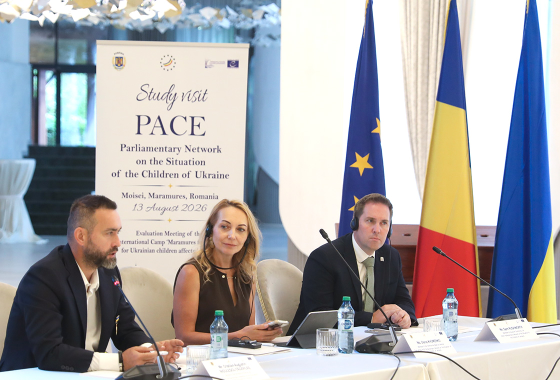
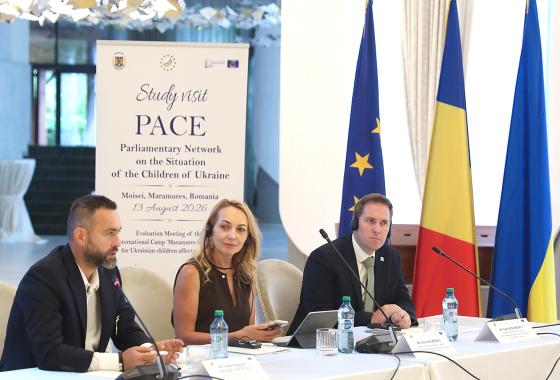
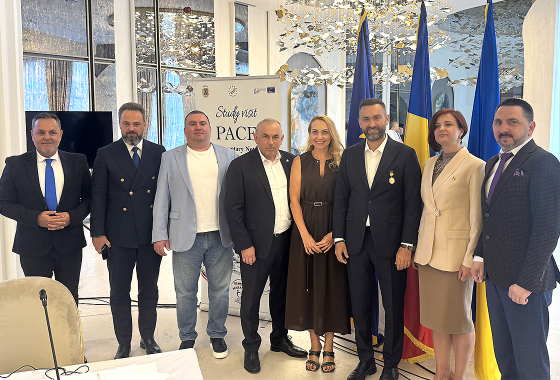
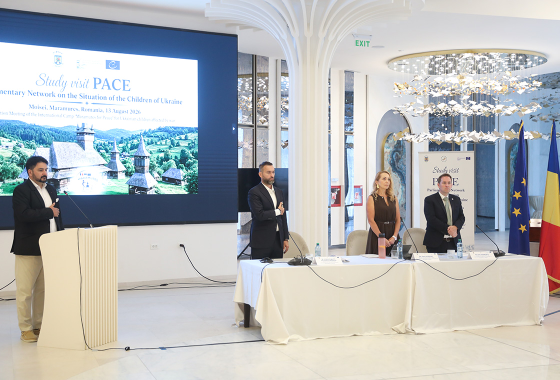
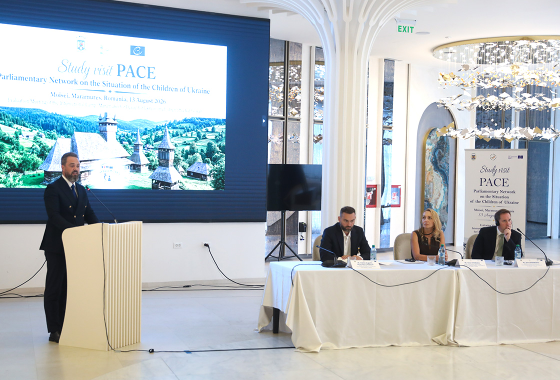
A delegation of the PACE Parliamentary Network on the situation of the children of Ukraine, comprising Olena Khomenko (Ukraine, ECPA), Chairperson of the Network, Samuel Rushworth (United Kingdom, SOC) and Cristian-Augustin Niculescu-Ţâgârlas (Romania, EPP/CD), concluded a study visit to Maramureș County, Romania, on 13 -14 August 2026. This visit was focusing on practical approaches to supporting Ukrainian children who have experienced deportation, forcible transfer, occupation and other consequences of Russia’s war of aggression.
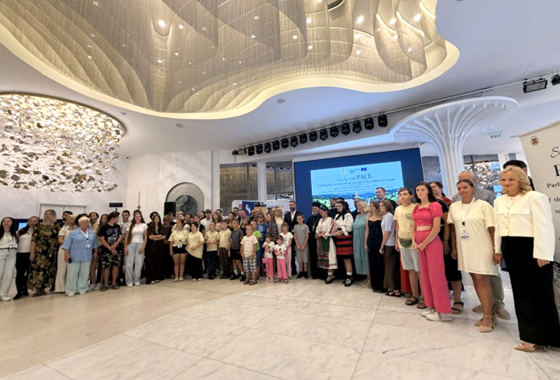
The visit was organised on the invitation of the PACE and Network member Cristian-Augustin Niculescu, who represents Maramureș county in the Romanian Senate, who initiated the “Maramureș for Peace – A Week of Hope” camp to provide Ukrainian children with a safe and supportive environment offering psychological assistance, creative activities, recreation and opportunities for recovery. The Ukrainian Coordination Center for Family Upbringing and Child Care Development, working with the “Bring Kids Back UA” initiative, was the main organising partner on the Ukrainian side, supporting the identification, preparation and participation of the Ukrainian children and families in the programme, and ensuring that the camp linked back to the broader reintegration support provided to children after their return to Ukraine.
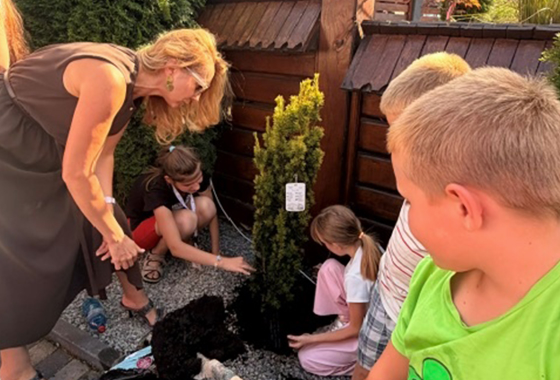
Alongside their exchanges with the professionals working with the children, the parliamentarians gave priority to direct and meaningful dialogue with the children themselves. They heard from the children about their own perspectives on recovery, safety and their future, and joined them in their interactive workshops.
The exchanges highlighted the importance of approaching children affected by war not only through the prism of vulnerability, trauma and loss, but as rights-holders with individual voices, abilities and aspirations.
On the basis of their study visit the parliamentarians prepared a set of recommendations to be presented to the Network this autumn. These ten recommendations call for children to be placed at the centre of every response; for their voices to be meaningfully reflected in all decisions concerning them; for continuity of psychosocial, educational, health and social support; for coordinated support for children and their families; and for greater investment in professionals and volunteers working directly with them. They underline the importance of strengthening families and communities, transforming successful practices into sustainable policies, adapting core principles to different national and local contexts, and maintaining co-operation between parliamentarians, professionals, communities and children beyond the study visit.
Above all, the study visit confirmed that returning a child home is not the end of the process. Children affected by deportation, forcible transfer and war must not be defined only by what has happened to them. They must be granted the safety, sustained support and space to remain children, to rebuild relationships, reforge their identities and look forward to the future.