


10/06/2024 Elections
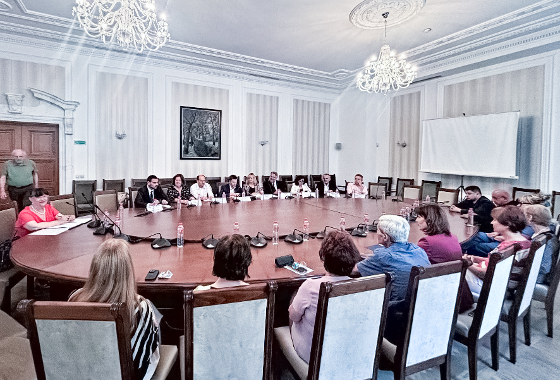
The 9 June simultaneous early parliamentary and European elections in Bulgaria were free and competitive, offering voters a pluralistic range of choices. While the electoral procedures were well-managed, voter turnout reflected a significant lack of enthusiasm, with only a third of voters participating in the national elections. This indicates a growing voter fatigue and skepticism about political change, a delegation of observers from the Parliamentary Assembly of the Council of Europe (PACE) has concluded.
The eleven-member delegation, led by Oleksii Goncharenko (Ukraine, EC/DA), observed the early parliamentary elections over four days, with five teams deployed in Sofia, Plovdiv, Blagoevgrad, Kyustendil, Pleven, Pernik and Breznik. A full report on the observation will be presented to the PACE Standing Committee in November 2024.
"All recent elections in Bulgaria have been professionally organised and well-implemented,” said Mr Goncharenko. “Minor irregularities and technical problems with the voting machines aside, these elections were no exception. The simultaneous European elections did not pose significant challenges. However, the Bulgarian electorate is exhausted from being called to vote for the sixth time in three years, leading to disillusionment with the country's governance. Mistrust in the main political actors and uncertain prospects for political stability risk pushing voters towards extremes. The newly elected parliament must therefore strive to regain the electorate's trust and re-engage with them.”
The constitutional reform in December 2023, which inter alia granted citizens with dual citizenship the right to be elected as MPs and ministers, is a welcome development in line with previous recommendations from the Venice Commission and the OSCE ODIHR. However, some other long-standing recommendations, particularly regarding the voting rights of individuals under judicial interdiction or serving prison sentences, remain unaddressed.
The PACE delegation is particularly concerned about persistent issues of vote-buying and corporate and controlled vote – both explicit and implicit, allegations of which were frequently raised by interlocutors and confirmed by the caretaker Minister of Interior. These issues need thorough investigation to restore public trust.
The tone of the campaigns, both online and offline, was predominantly negative and did not improve during the parliamentary campaign period. The PACE delegation was also informed of a number of abusive court proceedings on defamation grounds and reiterates its long-standing recommendation to adopt new legislative measures for the protection of journalists.
On Election Day, voters seemed familiar with the voting procedures, choosing between paper ballots and voting machines. A significant number of voters preferred paper ballots. The process in the polling station was somewhat bureaucratic, involving multiple stamps and identification checks. Despite the professionalism of the members of the Precinct Election Commissions, this would probably lead to delays and long queues if participation was higher.
The secrecy of the vote was not fully guaranteed. The transparency of machine-printed ballots allowed others to potentially see the votes cast. The PACE delegation calls on the new Bulgarian authorities to rethink the current system of electronic voting in use to secure its reliability while making the best use of modern technologies. Whereas it is clear that ICT technologies alone cannot restore Bulgarians’ trust in the electoral process or uproot corruptive practices, nevertheless if coupled with legal safeguards and transparent electoral practices, they could gradually boost voter confidence.