


18/12/2025 Migration, International Protection and Economic Co-operation
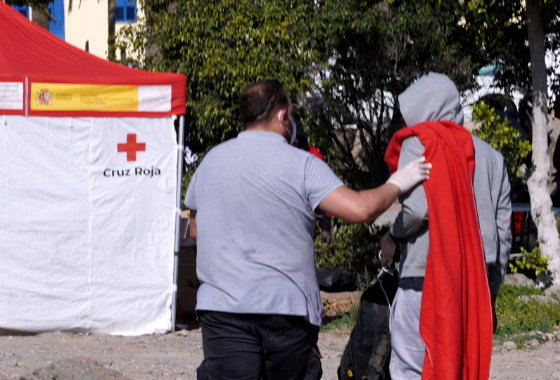
Marking International Migrants Day (18 December 2025), the Chair of the PACE Migration Committee Oleksii Goncharenko (Ukraine, ECPA) and Pelin Yılık (Türkiye, NR), the Assembly’s rapporteur on Migrants’ and refugees’ access to healthcare, made the following statement:
“International Migrants’ Day is a reminder that access to healthcare is not a privilege but a core component of human dignity. Too often, public debate questions the legitimacy of providing healthcare to migrants. Yet behind every figure is a person whose dignity and rights must be protected, regardless of their status.
Across Europe, barriers to healthcare persist. They stem from gaps in national legislation, discriminatory practices, administrative burdens, language obstacles, lack of awareness of rights, and living conditions that are incompatible with human dignity. Stigmatisation, fear of deportation, and restrictive rules further discourage many from obtaining the treatment they need.
Guaranteeing access to healthcare is therefore a moral duty, a legal obligation, and a public health necessity. When healthcare is delayed or denied, the consequences extend far beyond migrant communities: preventable illnesses spread, integration efforts weaken, and social cohesion suffers. Ensuring equal treatment in healthcare ultimately protects everyone. Our dedication to public health, equality, and human dignity is incompatible with the denial or restriction of access to care for migrants and refugees.
These principles are firmly rooted in international law. Many member states have legal provisions for non-discrimination in healthcare that must be enforced to ensure migrants’ rights are respected.
On this day, we call for a coherent, coordinated strategy to expand healthcare coverage for vulnerable groups, simplify administrative processes, and provide clear information to migrants and healthcare professionals.
Migration is not a temporary emergency; it is part of Europe’s social landscape. Recognising this reality is essential if we are to build societies that are more just, resilient, and faithful to the values Europe is committed to upholding.
Leaving no one behind entails ensuring safe, fear-free access to essential health services for all individuals within a state’s jurisdiction. A sustainable migration policy must start with this principle: healthcare for all.”