


10/05/2023 Elections
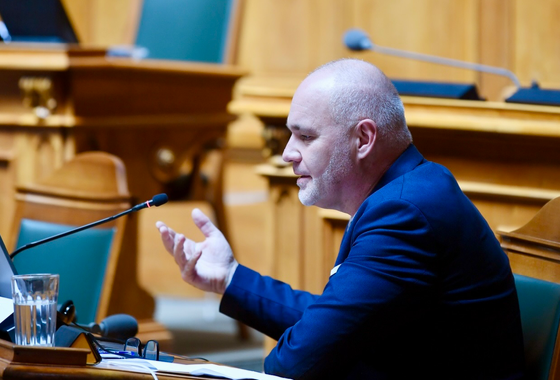
In a final declaration approved at the end of the two-day “Elections in times of crisis” conference in Berne, Switzerland, participants have set out a range of ideas and proposals for governments, election organisers and observers on how to make elections more resilient in the face of health pandemics, warfare, terror attacks, foreign state interference and natural disasters.
Presented by conference general rapporteur Rasťo Kužel, the declaration called on the heads of state and government of the Council of Europe – holding a summit next week in Reykjavik – to “take all measures to fight undue interference and ensure free and fair elections […] and resist democratic backsliding, including in situations of emergency, crisis and armed conflict”.
In the light of the recent pandemic, participants urged occasional systematic reviews of the rules, norms, methods and procedures governing elections, focusing on improving “resilience, agility and adaptability” and involving all stakeholders, and a similar exercise for the observation of elections in emergency situations.
On natural disasters, the declaration urged measures to offset the impact of the climate crisis, which is making them more frequent, and strategies for better preparedness and coordination to deal with such events.
As regards the impact of war, the declaration urged a roadmap defining minimum conditions for calling national or local elections after a state of emergency of martial law is lifted. It pledged support for Ukraine in helping it to meet the necessary pre-conditions for post-war elections, and “ample resources” to mitigate the huge impact of the war.
On AI and new information technology, participants called on governments to take action to counter so-called “hybrid war”, tackle foreign interference in elections, anticipate cyber-attacks and track disinformation narratives. Transparency, voter education, fact-checking and internet literacy would also build resilience against such tactics. On the other hand, some new technologies could also bring innovation, they acknowledged.
The conference, held in the Swiss capital on 9 and 10 May 2023, was jointly organised by PACE and the Swiss Parliament, and marked 60 years since Switzerland joined the Council of Europe.