


27/01/2026 Session
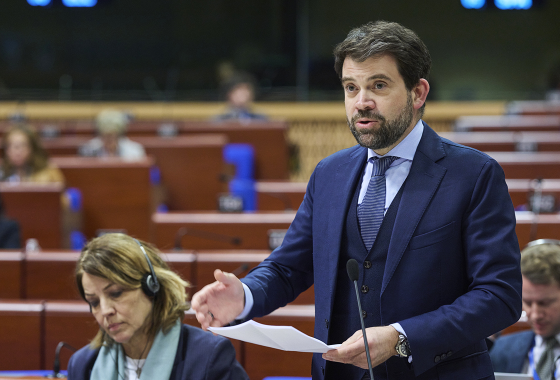
PACE today emphasised the need to further develop frameworks and practices capable of “delivering safe, technically sound and credible elections”, while safeguarding fundamental rights and ensuring public confidence in electoral processes.
Parliamentarians stated that polarisation, disinformation, foreign interference, cyberattacks, climate-related disruptions and the spillover of conflicts posed risks to electoral processes, adding that postponing elections and proceeding under constrained conditions could threaten democratic legitimacy.
By adopting a resolution based on the report by Damien Cottier (Switzerland, ALDE), PACE recommended that member states implement clear legal and procedural measures to regulate emergencies and ensure operational adaptation and strengthened cooperation among State institutions in order to enhance resilience in crisis situations.
According to the adopted text, states should also develop comprehensive strategies for countering disinformation and malign foreign interference, and enhance the protection of electoral infrastructure against foreign cyber operations and technical manipulation.
PACE also encourages “robust and adaptable election observation methodologies”, as well as specific strategies for elections held in prolonged emergencies or post-conflict settings.
The Parliamentary Assembly recalled the framework provided by the Council of Europe for “safeguarding the right to free elections”, welcoming the work of the Venice Commission in the electoral field, the jurisprudence of the European Court of Human Rights, the election observation activities of PACE and the Congress, and the work of the Council for Democratic Elections.
Finally, PACE recommended that the Committee of Ministers “develop a set of standards for the preparation of elections in crisis situations” and reinforce the Organisation's Electoral Cycle as a comprehensive tool covering all phases of the electoral process.