


11/02/2026 Migration, International Protection and Economic Co-operation
Sandra Zampa (Italy, SOC), Chairperson of the PACE Committee on Migration, International Protection and Economic Co‑operation, made the following statement today:
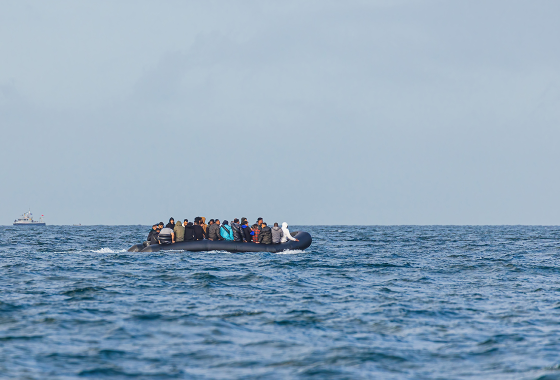
“Reports from the central Mediterranean following Storm Harry in January 2026 point to a tragedy of immense scale, with estimates of nearly 1,000 people feared dead or missing. I express my profound sorrow and solidarity with the victims and the families enduring unbearable uncertainty. According to public reports, several boats are believed to have left the Sfax area in Tunisia and faced extreme weather during Storm Harry, with many NGOs raising the alarm.
Saving lives at sea is not optional, it is a legal duty and a moral imperative. While there is a risk that the public becomes accustomed to such regular disappearances and deaths at sea, Council of Europe member states – and the EU where relevant – must urgently reinforce co-ordinated search-and-rescue capacity, ensure full respect for maritime and human rights law, investigate any alleged failures to act, and clarify the fate of the missing. The central Mediterranean must not become a lawless space where human rights and human lives are disregarded.
The Assembly has set out clear guidance to member states in a number of recent resolutions, recalling states’ duty to conduct search‑and‑rescue operations on sea and land in line with international law and the European Convention on Human Rights, and stressing that pushbacks are illegal and must stop immediately. It has also called for a dedicated European search‑and‑rescue corps to carry out large-scale operations solely to save lives, in compliance with international human rights law, and highlighted that NGOs and civil rescue vessels are also partners in saving lives and protecting human rights.
The Assembly has also issued a toolkit for parliamentarians on preventing and addressing migrant disappearances, which offers practical and concrete guidance on the actions they can take and how they may address the key public policy questions related to migrant disappearances.”