


23/03/2026 Equality and Non-Discrimination | President
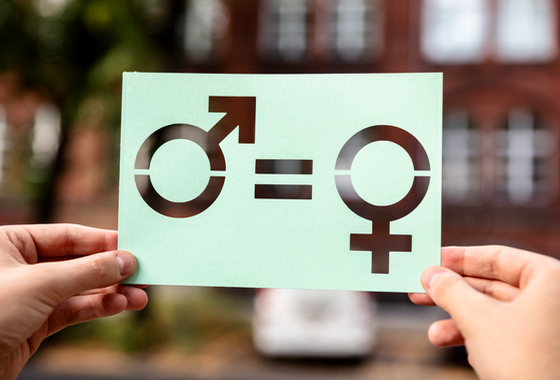
PACE’s Committee on Equality and Non-Discrimination has welcomed the Assembly’s landmark achievement of gender parity – for the first time since its creation in 1949 – while issuing a strong call to action on the multiple threats facing women and girls worldwide.
In a statement adopted following the 70th Session of the UN Commission on the Status of Women (CSW70) in New York, which was attended by a 20-member delegation headed by PACE President Petra Bayr, the committee welcomed the fact that PACE has this year achieved equal representation of women and men in its membership “as a result of robust and binding efforts”, and said it could act as an important role model for other parliamentary bodies.
Statistics on the composition of the Assembly compiled at its January session – both Representatives and Substitutes – show it is now made up of 49.16 per cent women and 50.84 per cent men. The increase in the number of women members follows a series of rule-changes introduced by the Assembly since 2021, when women made up only 37 per cent of members.
The committee encouraged other national and international parliamentary bodies to draw on PACE's experience and called for the development of dedicated tools and resources to support them in taking similarly decisive steps, including the sharing of best practices, targeted guidance and awareness-raising, with a view to making gender parity in parliamentary representation a reality across the Council of Europe and beyond.
At a time when women's rights are under pressure across the globe, PACE's achievement sends a powerful signal that progress is possible and that it requires determination, clear rules and collective commitment.
The committee warned that the backlash against women's rights is no longer a marginal phenomenon but the result of “intentional, organised, political and well-funded attacks”. Responding to it demands a strategic, cross-institutional response that places gender equality at the heart of democratic governance, backed by evidence-based research, convincing counter-narratives and adequate funding.
The parliamentarians underlined that no single institution can face this challenge alone, and called for strengthened co-operation between parliaments, international organisations and civil society to build the broad coalitions that effective and lasting change requires.
The committee also called on all Council of Europe member states to honour their commitments under the Istanbul Convention, and called for urgent investment in education and awareness-raising to engage men and boys as partners in building a culture of equality and respect. Finally, it expressed the hope that the next Secretary General of the UN would be a woman, for the first time in the organisation’s 80-year history.