27/03/2026 Monitoring
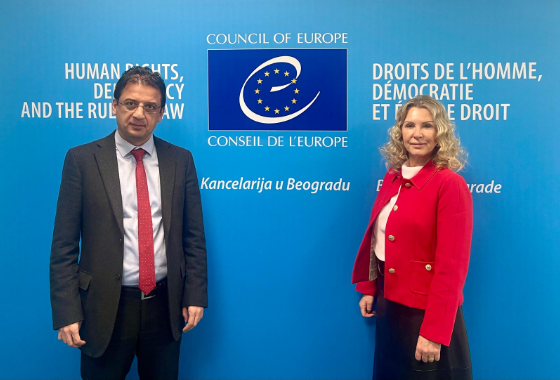
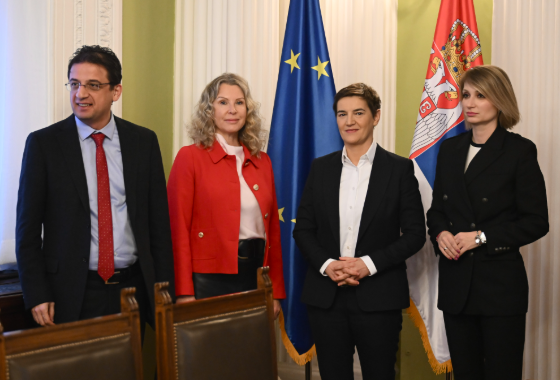
Following a visit to Belgrade on 23 and 24 March, Victoria Тiblom (Sweden, ECPA) and Yunus Emre (Türkiye, SOC), co-rapporteurs of the Parliamentary Assembly of the Council of Europe (PACE) for the monitoring of Serbia’s obligations and commitments to the Council of Europe, made the following statement:
“We acknowledge that the 2024 railway collapse tragedy in Novi Sad, which resulted in the deaths of 16 people and has had ongoing repercussions on political life and society in Serbia, continues to be a pertinent and controversial issue in the country. We urge the authorities to clarify the circumstances surrounding the accident and hold those responsible to account as soon as possible.
We look forward to the forthcoming opinion of the Venice Commission, the Council of Europe’s group of independent legal experts, on the controversial ‘Mrdić laws’ – which amend the functioning of the judiciary and the prosecution service – and we welcome the authorities’ announcement that they will co-operate with the Venice Commission on this topic.
We also urge the authorities to hold the forthcoming local elections, which are to be held in 10 municipalities on 29 March, in accordance with international electoral standards, and to continue, as a matter of priority, reform of the electoral laws in line with the recommendations of the OSCE’s Office for Democratic Institutions and Human Rights.
Other topics which we addressed during our visit were the protests of 2024 and 2025, and the alleged use of a sonic weapon during the mass demonstration in Belgrade on 15 March 2025, which caused mental and physical distress to numerous protesters. We will address these issues in detail in our forthcoming report.
We are very grateful to the authorities for being willing to engage in open dialogue on sensitive issues relating to democracy, the rule of law and the protection of human rights in Serbia.”
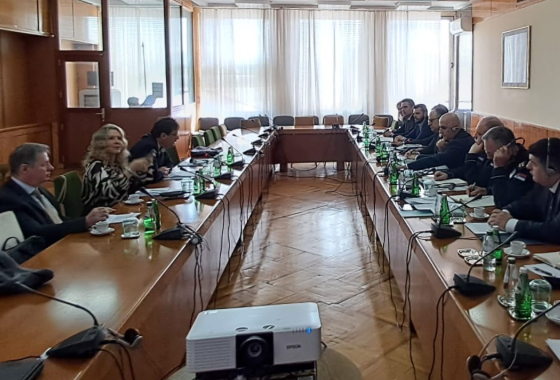
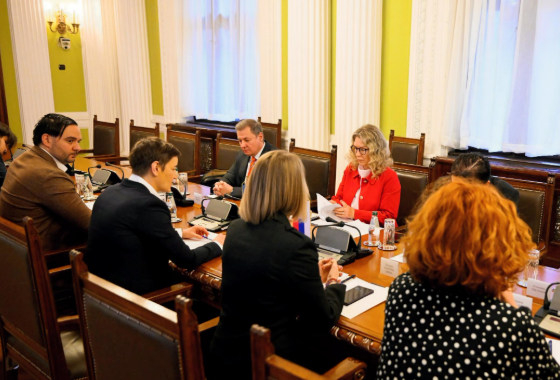
In Belgrade, the co-rapporteurs met the Speaker of the National Assembly, the Minister of Justice, the chairpersons of the ruling and opposition parliamentary groups, members of the Committee on Constitutional and Legislative Issues, the Serbian delegation to PACE, the Ombudsperson, the Commissioner for the Protection of Equality, the President of the Supreme Court and the Prosecutor General, as well as representatives of civil society and the diplomatic community.
Serbia is one of the ten Council of Europe member states subject to the Assembly’s full monitoring procedure, which involves regular visits by the co-rapporteurs, ongoing dialogue with authorities, and occasional plenary debates to help member states to meet the Organisation’s democratic and human rights standards.