


19/11/2024 Culture, Science, Education and Media
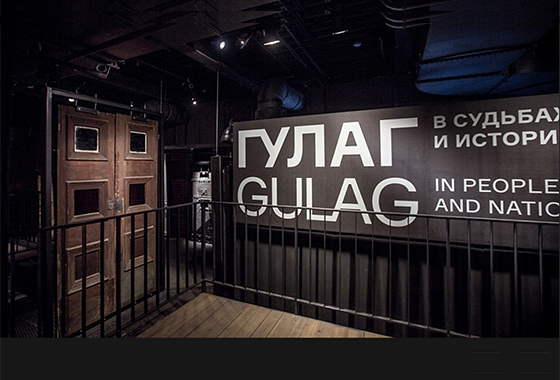
Linda Hofstad Helleland (Norway, EPP/CD), Chairperson of the PACE Committee on Culture, Science, Education and Media, today regretted the decision taken by the Moscow authorities to close, as from 14 November 2024, the Gulag History Museum, winner of the 2021 Council of Europe Museum Prize.
“Since 1977 this Prize has been awarded to a museum for its significant contribution to the understanding of European cultural heritage, and for promoting human rights and democracy. The Gulag History Museum was one of the last bastions of civic resistance, and its closure is yet another tragic setback in an era of growing authoritarianism in the Russian Federation,” she said.
Ms Helleland recalled that for over a quarter of a century, the Gulag History Museum has collected information on mass repression in the USSR, conducted interviews with victims and their descendants, and “organised educational programs to help future generations understand the horrific toll — 20 million victims — who went through the camp system”.
The museum also led a network of 35 regional museums and former Gulag sites across the territory of the Russian Federation, offering its educational programmes, archives, and comprehensive research capacity. “Its programmes were designed to expose history and activate memory, with the goal of strengthening the resilience of civil society and its resistance to political repression and violations of human rights,” she declared.
The Gulag History Museum “carries a European perspective expressed in its commitment to European democratic values: political freedom, freedom of expression, the rule of law, the defence of human rights and the role of civil society”, the committee Chair concluded.
On 30 October, the museum commemorated the Day of Remembrance for Victims of Political Repression, where attendees publicly read aloud the names of victims of state crimes.