


11/12/2024 Political Affairs and Democracy
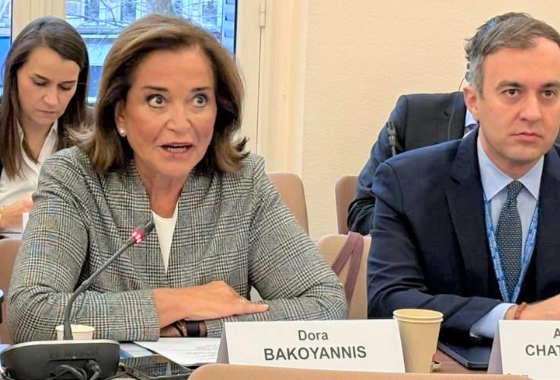
In a worrying context of global instability and insecurity, and in order to protect democracy, human rights and the rule of law, and preserve Europe's position in the world, member states should strive for “an open rules-based international order of realism”, rather than an ever-shrinking club of ‘like-minded’ countries, said the Political Affairs Committee meeting in Paris today.
According to the report by Dora Bakoyannis (Greece, EPP/CD) unanimously adopted by the committee today, the effectiveness of the rules-based international order is being increasingly challenged, by a shift towards multipolarity, and the rise of authoritarianism, nationalism, unilateralism and pure power politics.
In order to renew and reinvigorate the rules-based international order and thus counter current threats, the committee called on States to implement the 56 commitments for action set out in UN Resolution A/RES/79/1 “The Pact for the Future”, and in particular to ensure strict respect for international law; to uphold the mandate of the International Court of Justice and comply with its decisions; to cooperate with the International Criminal Court and comply with its orders; and to reform the multilateral system and its institutions through an inclusive approach.
In addition, in line with the Reykjavik Declaration, the committee called on member states to “support a greater role for the Council of Europe as a partner of the UN” in strengthening rules-based multilateralism and for matters related to democratic security, maintenance of peace, and the protection of democracy, human rights and the rule of law. They should also pursue the EU's political and economic integration, in order to strengthen Europe's leadership internationally.
Underlining the importance of parliamentary diplomacy, the committee believes that the Assembly should continue its regular contacts with UN institutions and agencies, and enhance its cooperation with national parliaments and other international parliamentary assemblies.
Finally, the committee recommended that the Committee of Ministers take appropriate steps to seek recognition of the Council of Europe as a regional organisation within the meaning of Article 52, Chapter VIII of the Charter of the United Nations.