01/04/2025 Rules, Ethics and Immunities | Transparency and Integrity

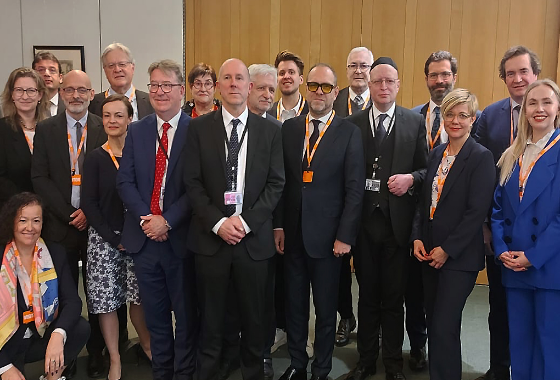
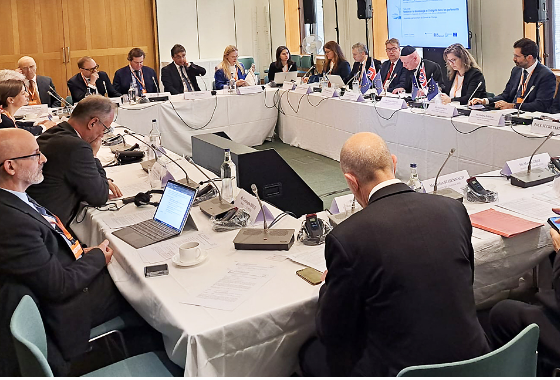
As part of a project to enhance ethical standards within the Parliamentary Assembly and across the parliaments of member states, funded by Germany, the Committee on Rules of Procedure organised a round table at the House of Commons in London on 31 March, bringing together members of the committee and experts in ethics.
This event aimed to discuss the various measures put in place in national parliaments to prevent, detect and investigate breaches of ethical standards and cases of corruption, and how these measures could be improved. Discussions also emphasised the usefulness of Ccodes of conduct for parliamentarians and ways of implementing them, as well as the importance of building an ethical culture in parliaments, shared by staff, political parties and parliamentarians alike.
Participants also examined the different models used by parliaments in Europe and beyond to uphold ethical standards, ranging from independent oversight bodies to internal disciplinary procedures.
Case studies from national parliaments illustrated the impact of effective ethical standards on parliamentary behaviour, public trust and institutional credibility, and how important it is that these standards are periodically reviewed. It was also noted that many ethical frameworks and oversight mechanisms are introduced only after major scandals, whereas ideally they should be implemented proactively to prevent misconduct before it occurs.
In this sense, a network of those responsible for ethical conduct – whether that be the chair of a parliamentary ethics committee, parliamentarians, a commissioner for standards, an ethics officer or other – could be useful to seek to promote the sharing of best practice, the participants said. “Robust parliamentary ethical standards are crucial for healthy democratic systems and a code of conduct can help parliamentarians to meet the public's expectations as to their behaviour,” they concluded.