


24/01/2024 Session
L’Assemblée élargie* a souligné aujourd’hui le rôle de l’OCDE et ses initiatives pour atténuer les tendances négatives de la mondialisation, dans le nouveau contexte résultant des chocs provoqués par la pandémie de covid-19 et la guerre d’agression de la Russie contre l’Ukraine.
La résolution adoptée sur la base du rapport de George Katrougalos (Grèce, GUE), indique en effet que la plupart des pays de l’OCDE doivent faire face à des déficits budgétaires, une dette publique élevée, des perspectives de croissance économique moroses, et une pression inflationniste. Les effets conjugués de la pandémie, des conflits mondiaux, de la crise climatique et des inégalités croissantes ont, en outre, accentué l’extrême pauvreté, ont souligné les parlementaires.
Dans ce contexte, l’Assemblée élargie a rappelé l’urgence de mettre en place des politiques qui luttent contre les inégalités sociales en matière d’emploi des jeunes, d’éducation, de santé publique, de formation et de retraites décentes, afin de ne laisser personne de côté, tout en tenant compte des enjeux fiscaux et économiques. Elle a invité l’OCDE à intensifier ses travaux dans ces domaines.
Selon l’Assemblée élargie, il est essentiel que la communauté des pays membres de l’OCDE et des pays candidats à l’adhésion reste attachée aux valeurs partagées, ainsi qu’au multilatéralisme et à l’unité pour relever les défis mondiaux, et développer des partenariats, ont déclaré les parlementaires.
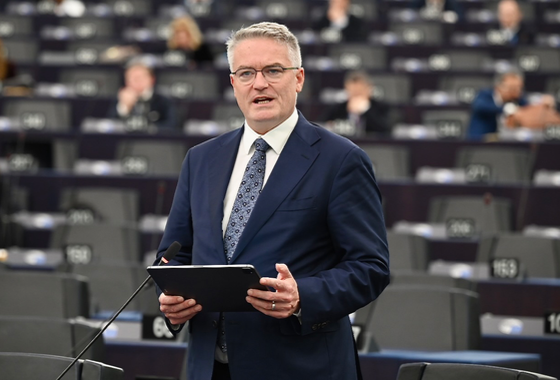
« La mondialisation et notre ordre mondial fondé sur des règles, sont soumis à des pressions considérables. Cette pression exige davantage de coopération, et non moins. Et les défis les plus pressants auxquels nous sommes confrontés aujourd'hui sont des défis partagés qui exigent des solutions partagées », a déclaré Mathias Cormann, Secrétaire général de l'OCDE, qui s’est exprimé devant l’Assemblée lors du débat.
« Nous nous réjouissons de poursuivre nos travaux communs afin de promouvoir la résilience économique, soutenir la liberté et la démocratie, les droits humains et l'État de droit, renforcer la bonne gouvernance et stimuler les compétences et l'emploi, garantir une coopération internationale efficace en matière de fiscalité et de climat et, en définitive, soutenir de meilleures politiques pour une vie meilleure en Europe et au-delà », a ajouté M. Cormann.
*L’Assemblée élargie se compose de l’APCE, élargie aux délégations des parlements nationaux des États membres de l’OCDE non-membres du Conseil de l’Europe et à une délégation du Parlement européen, et procède à un examen parlementaire des activités de l’OCDE. Tous les deux ans, l’Assemblée élargie débat en séance plénière de thèmes spécifiques qui sont définis en collaboration avec l’OCDE.