19/11/2025 Transparency and Integrity | Rules, Ethics and Immunities

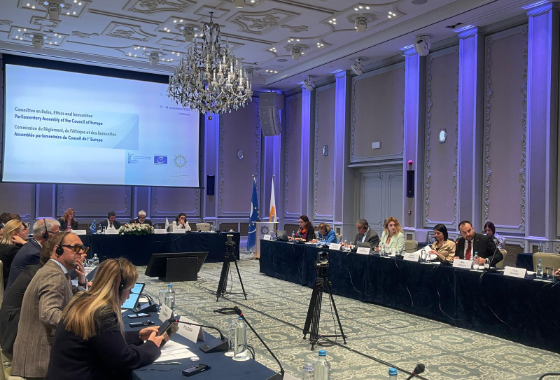
In the margins of its meeting on 13 November in Limassol, Cyprus, the PACE Committee on Rules, Ethics and Immunities held a round table on 14 November, together with the Standing Committee of the House of Representatives on Institutions, Merit and the Ombudsmen of Cyprus.
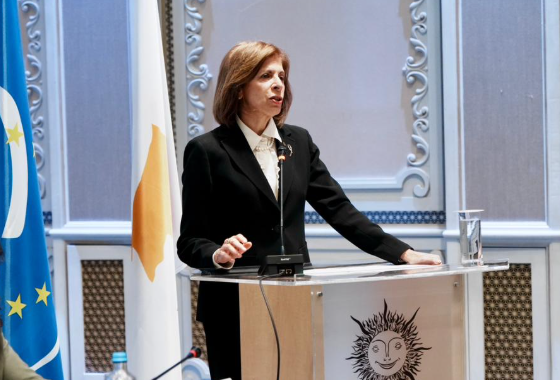
The meeting opened with addresses by the President of the House of Representatives, Annita Demetriou; the Chairperson of the Cyprus delegation to PACE, Nicos Tornaritis; the former PACE President and former EU Commissioner of Health and Food Safety, Stella Kyriakides; the Commissioner for Administration and the Protection for Human Rights (Ombudsperson), Maria Stylianou-Lottides; and the committee later heard an intervention by Christos Pourgourides, former PACE member and former Chairperson of the PACE Legal Affairs and Human Rights Committee. The addresses underlined the importance of strengthening parliamentary ethics and immunities across Europe.
As part of the follow-up to PACE Resolution 2596 (2025) on respect for the rule of law and the fight against corruption, and within the framework of the German-funded project “Strengthening Ethics and Integrity in Parliaments”, the round table brought together parliamentarians, anti-corruption specialists, oversight bodies and academics to discuss how parliaments can reinforce ethical standards and strengthen transparency whilst respecting the private life of members of parliament and their families.
Focusing on the main priorities identified in GRECO’s 4th evaluation round – preventing conflicts of interest, ensuring transparency in parliamentary conduct, and improving oversight – participants reviewed legal frameworks and practical tools currently used across member states. The round table examined the steps taken in implementing GRECO recommendations at the national level, as well as best practice in developing and revising parliamentary codes of conduct. Speakers gave examples from Armenia, Cyprus, France, Greece, Montenegro, the Netherlands, North Macedonia, Ukraine and the United Kingdom. In addition, OSCE-ODIHR shared newly developed methodologies for assessing the integrity framework within a parliamentary setting.
The roundtable reaffirmed the Assembly’s commitment to promoting clear, modern and enforceable ethical standards as a key element in building public trust in democratic institutions. In particular, the event worked towards the development of a practical handbook to support parliaments in developing ethical frameworks.
The Rules Committee also continued its work to keep the Assembly’s integrity framework up-to-date by working to develop its own code of conduct for interest representatives and to review its system for declaring, identifying and managing interests.